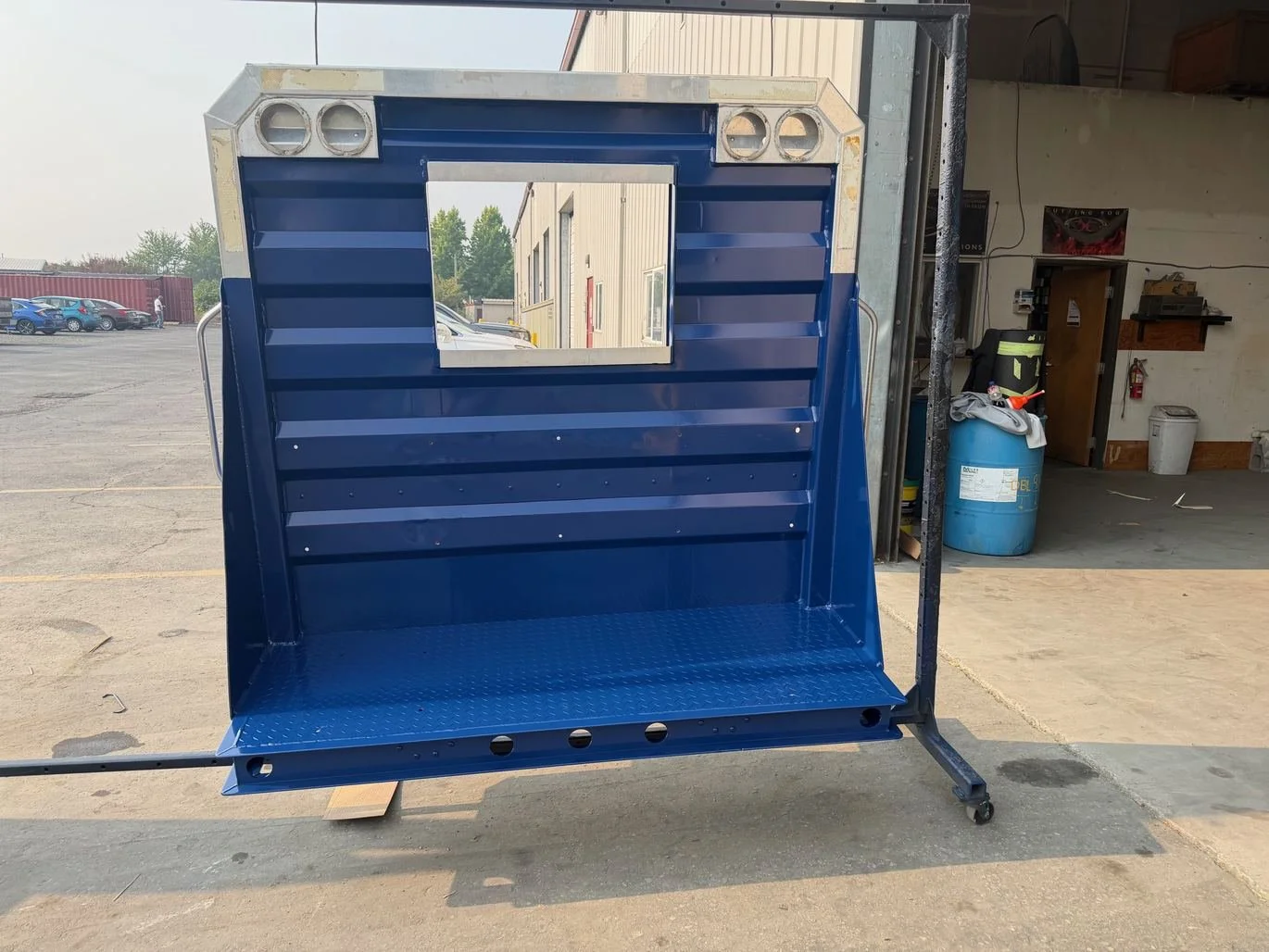
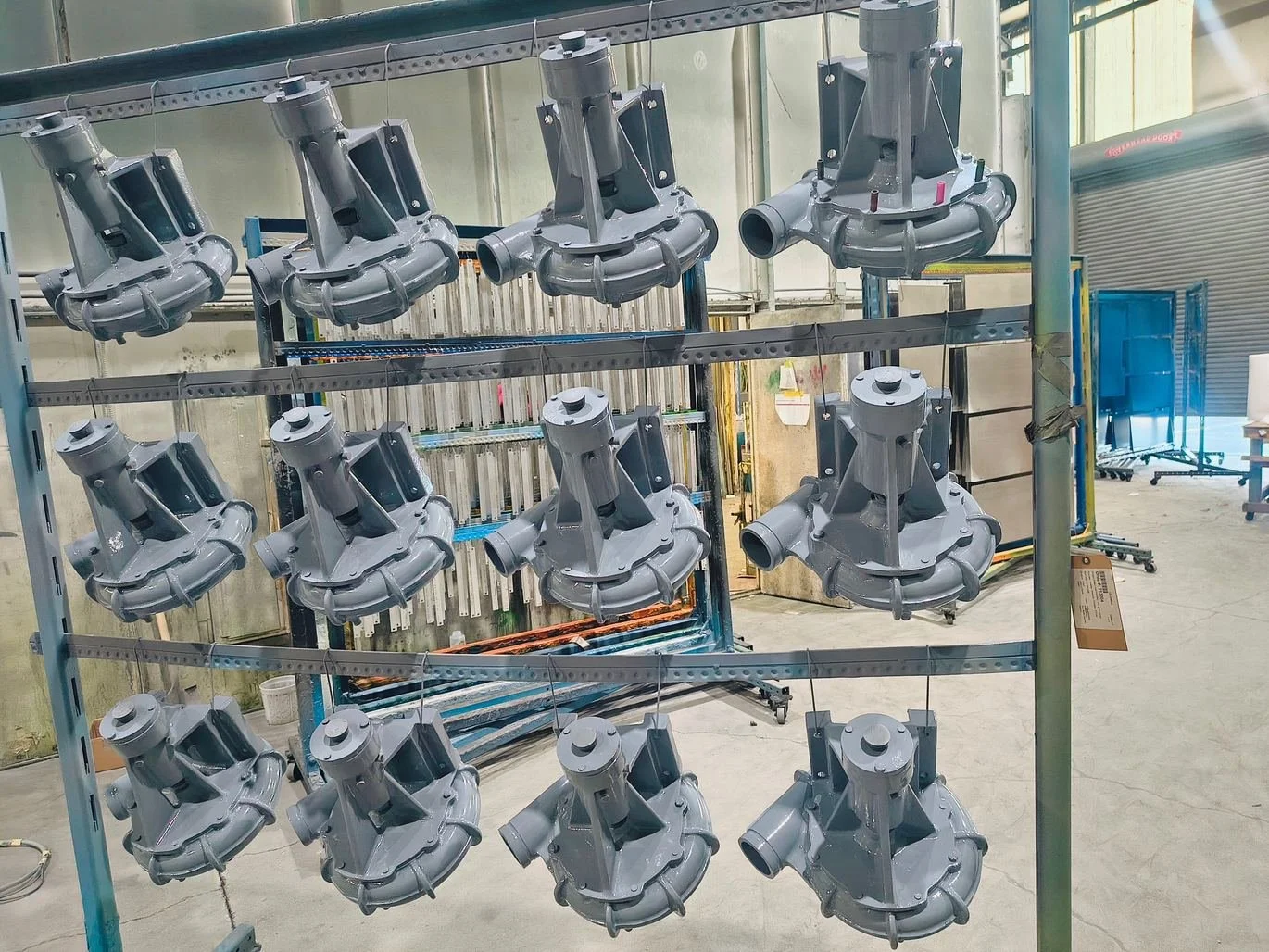
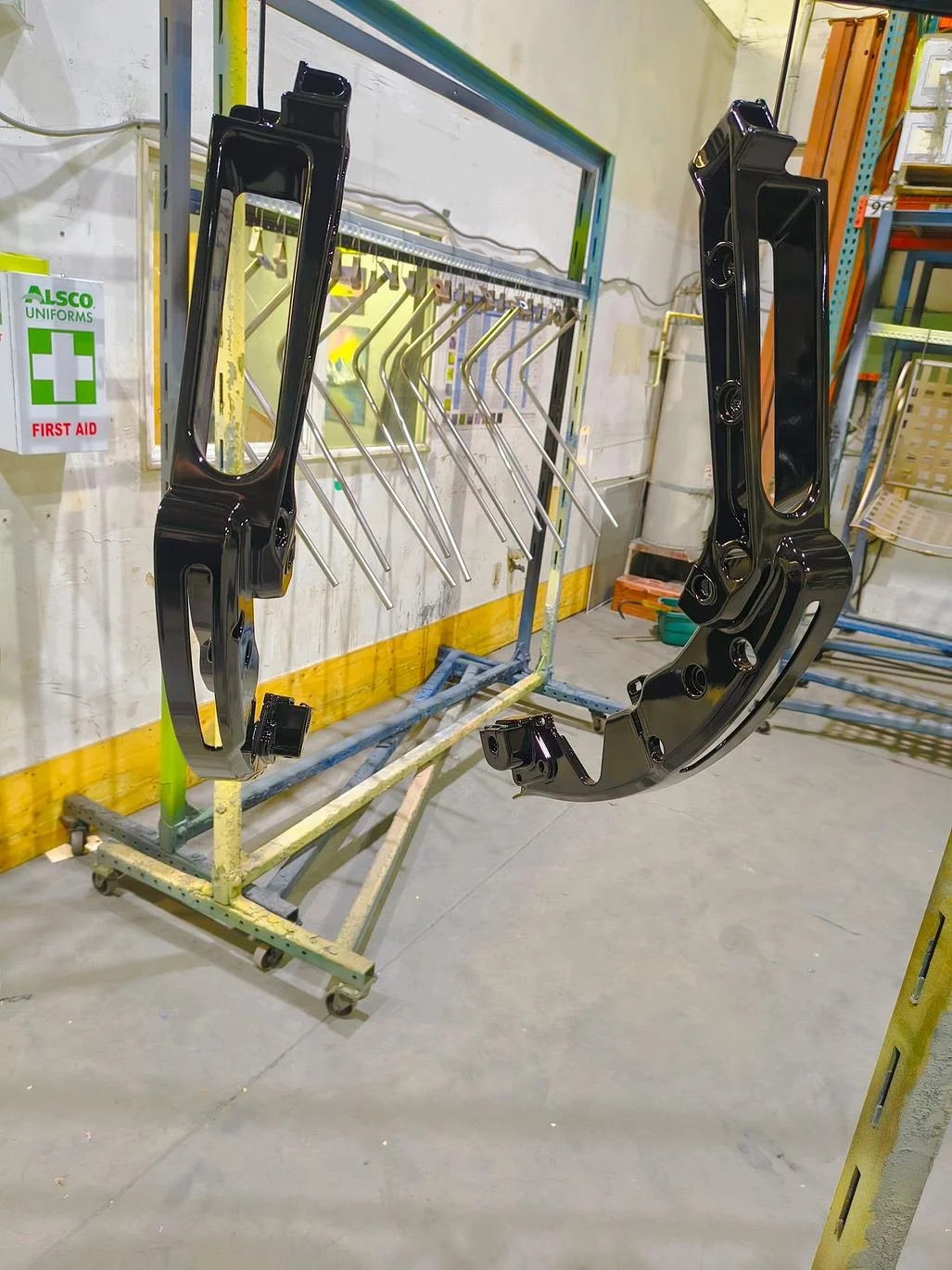
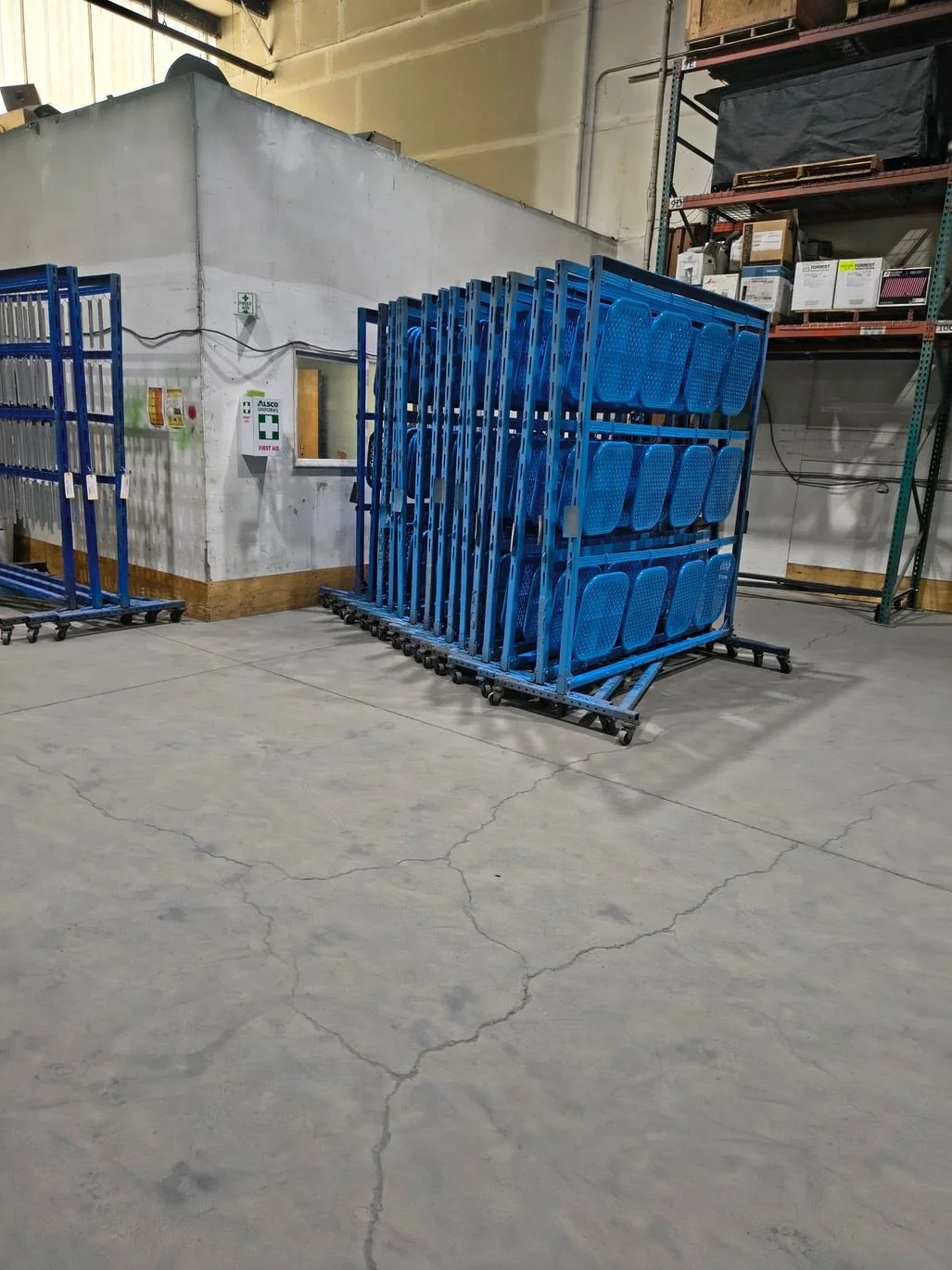
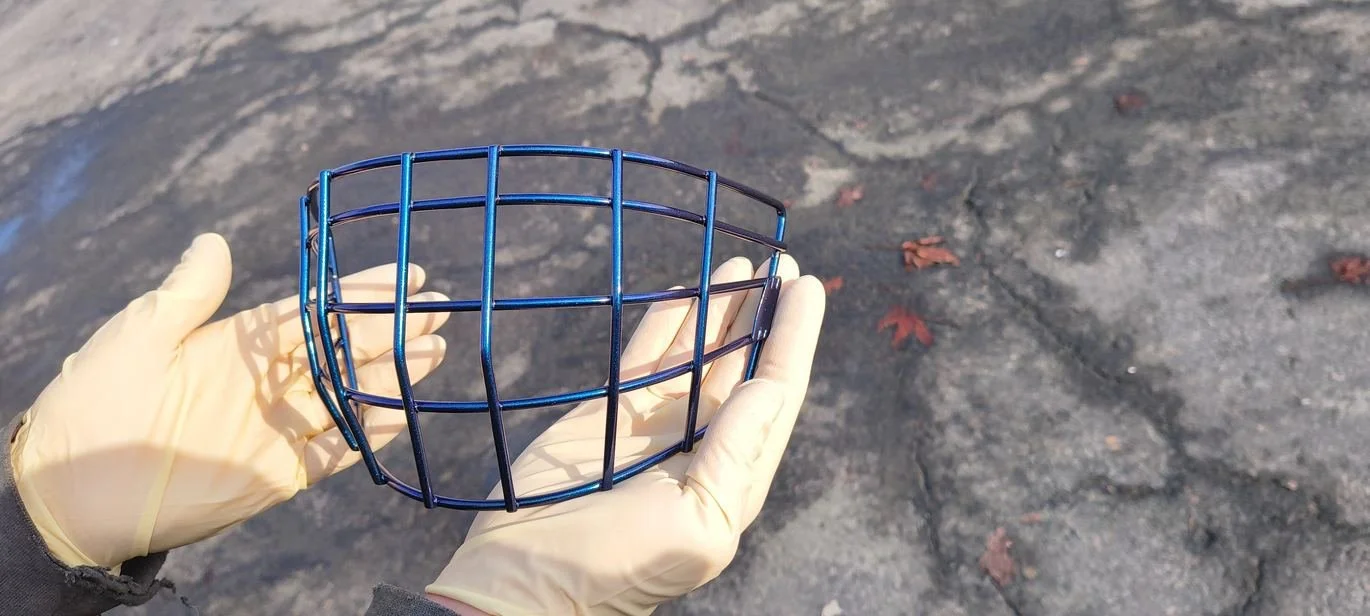
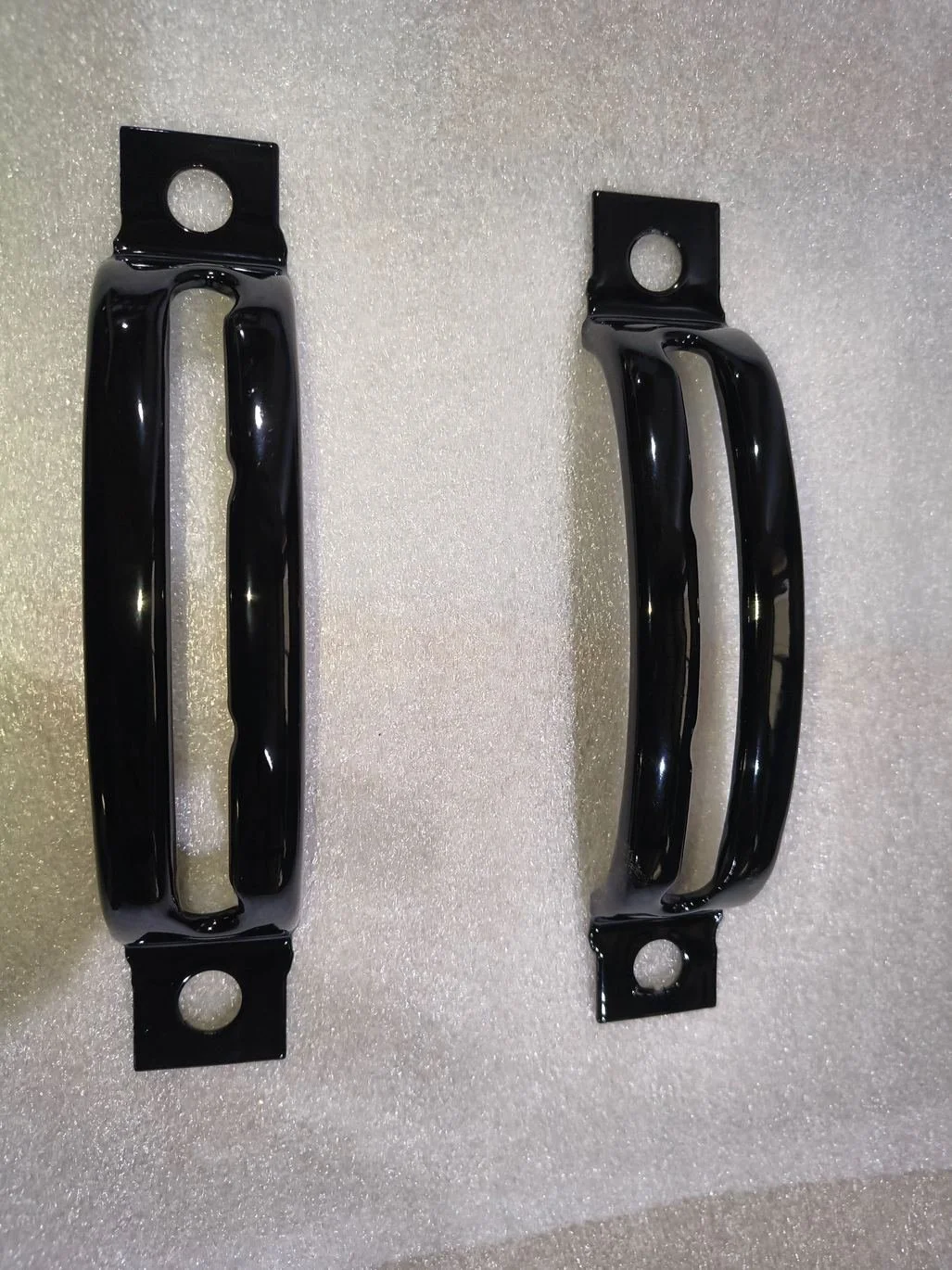
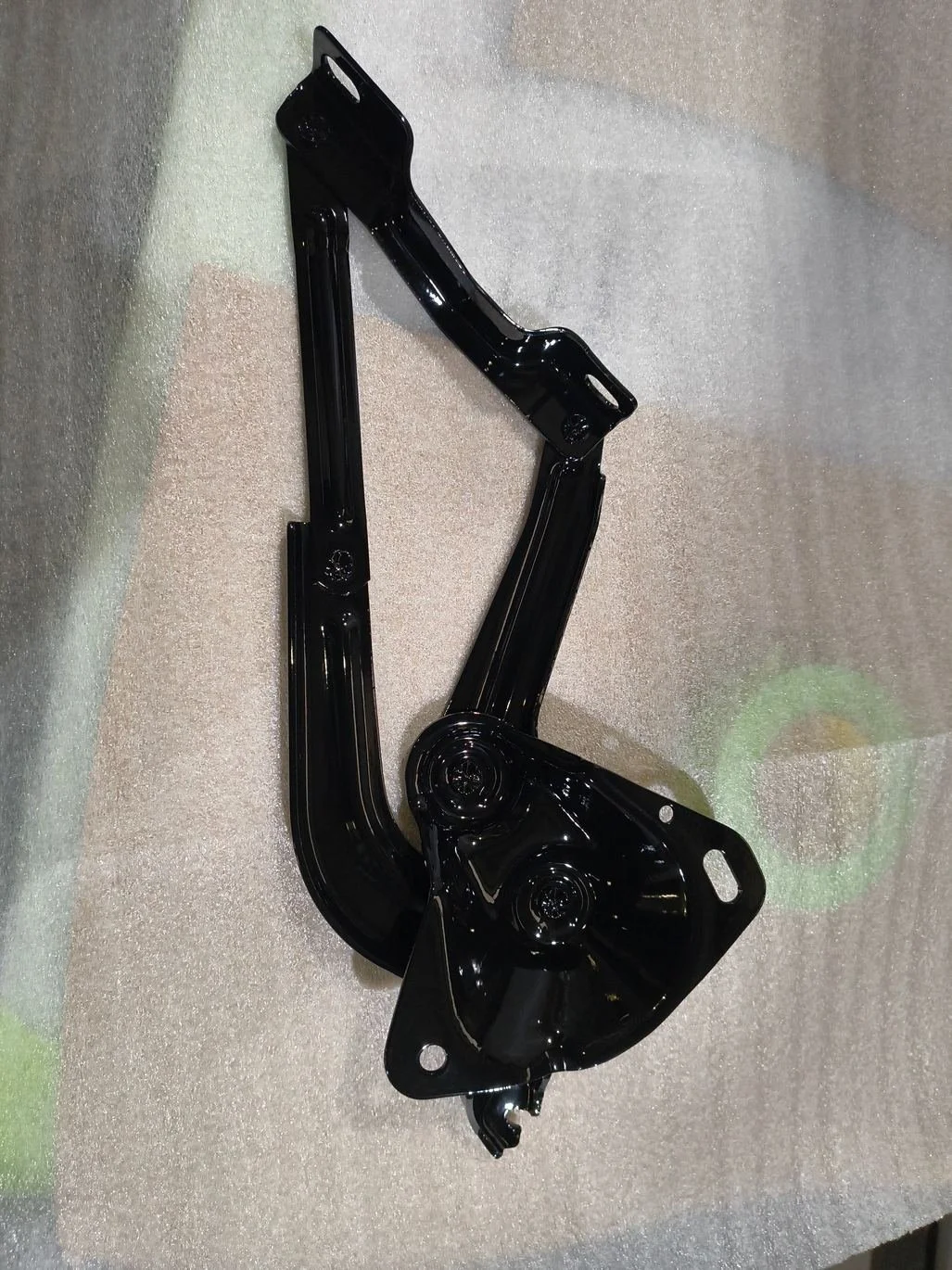
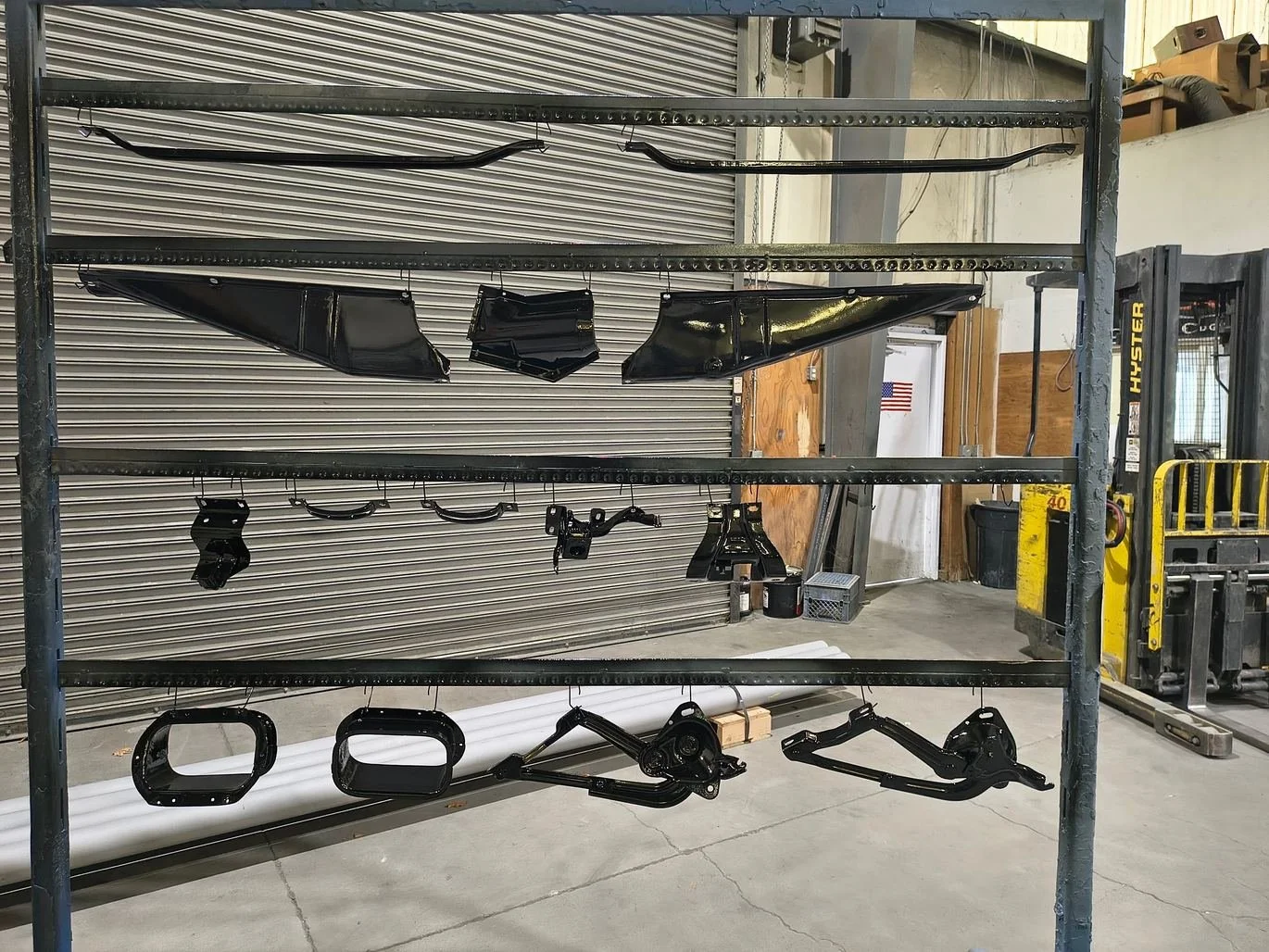
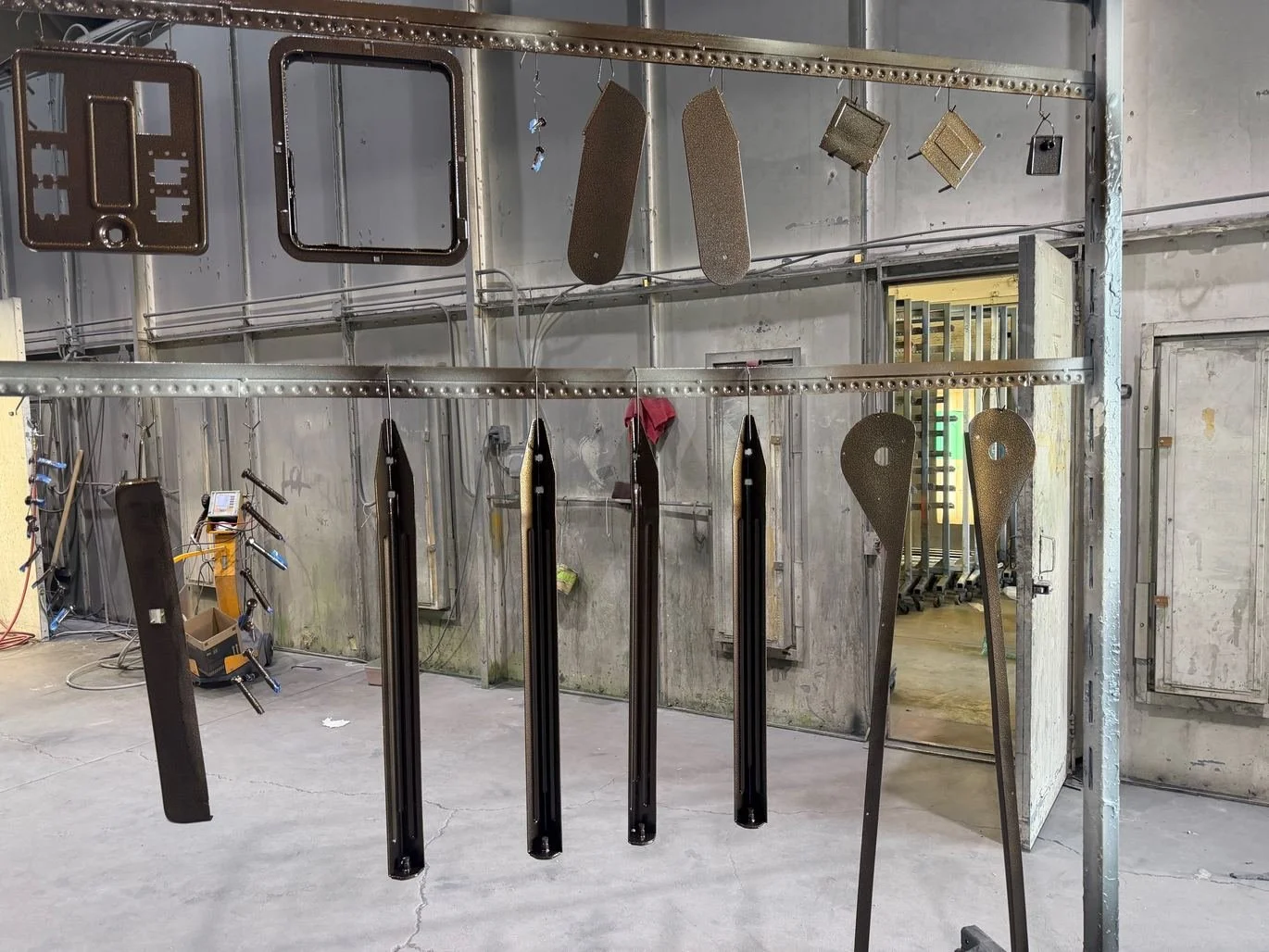
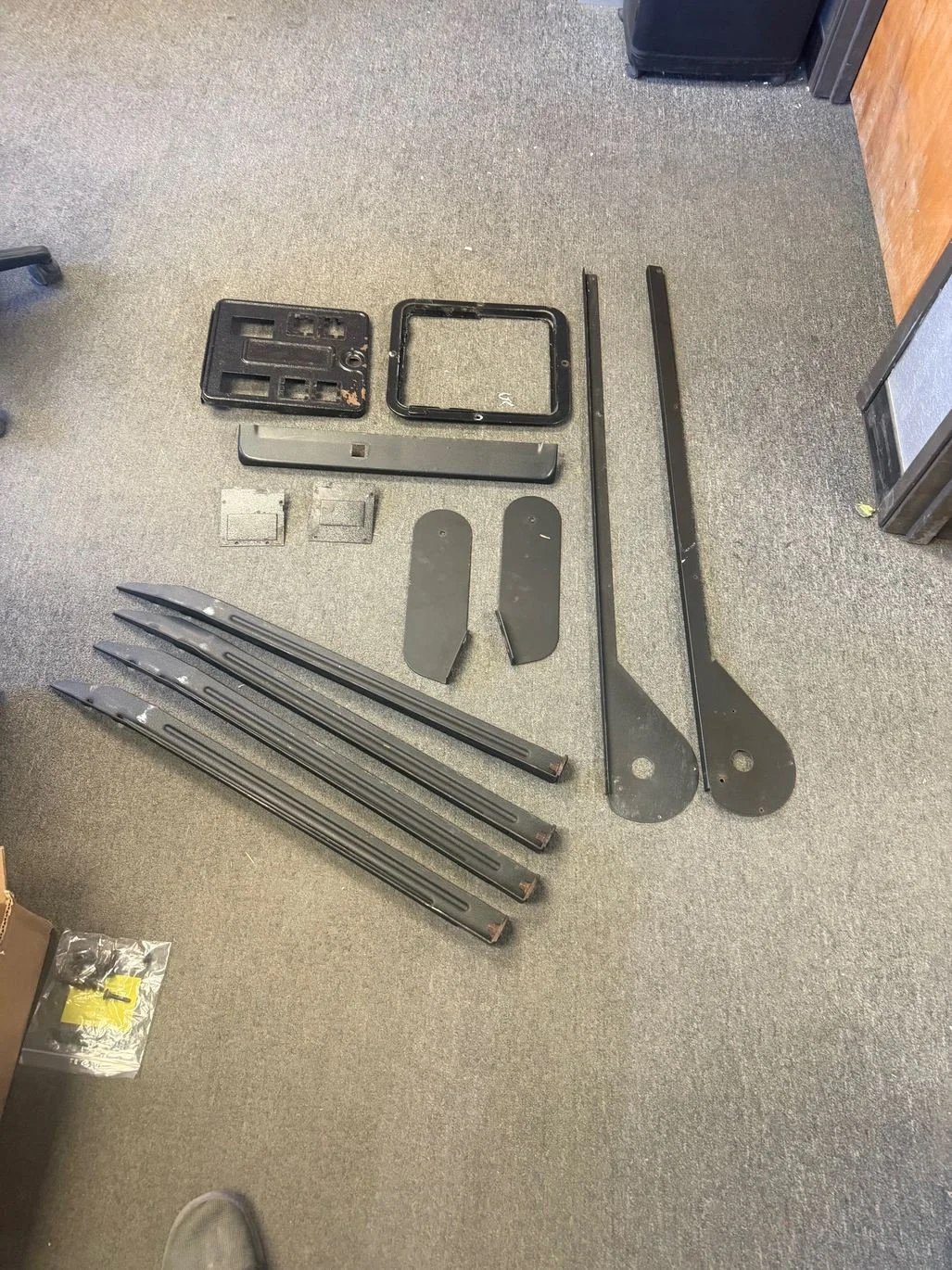
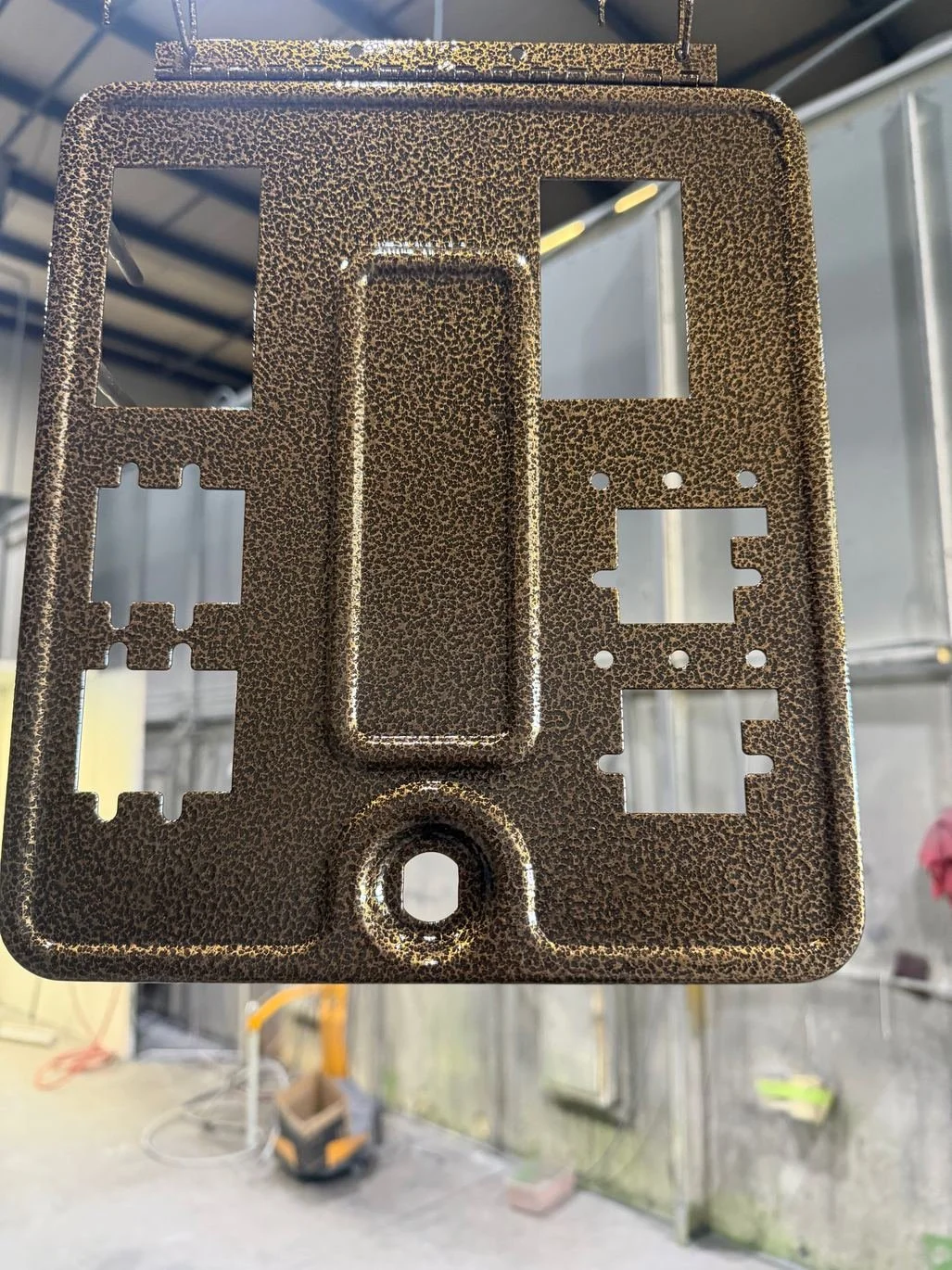
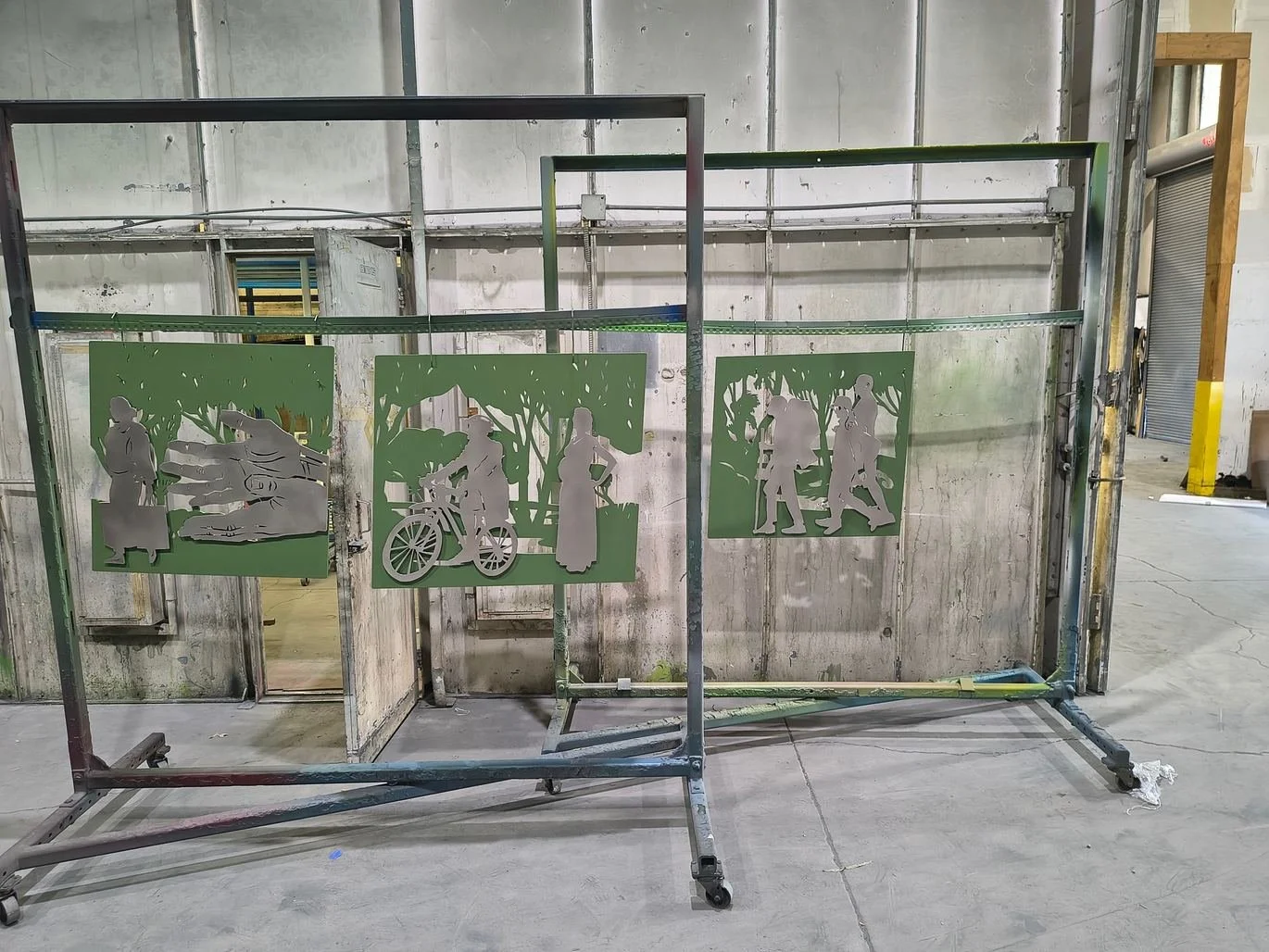
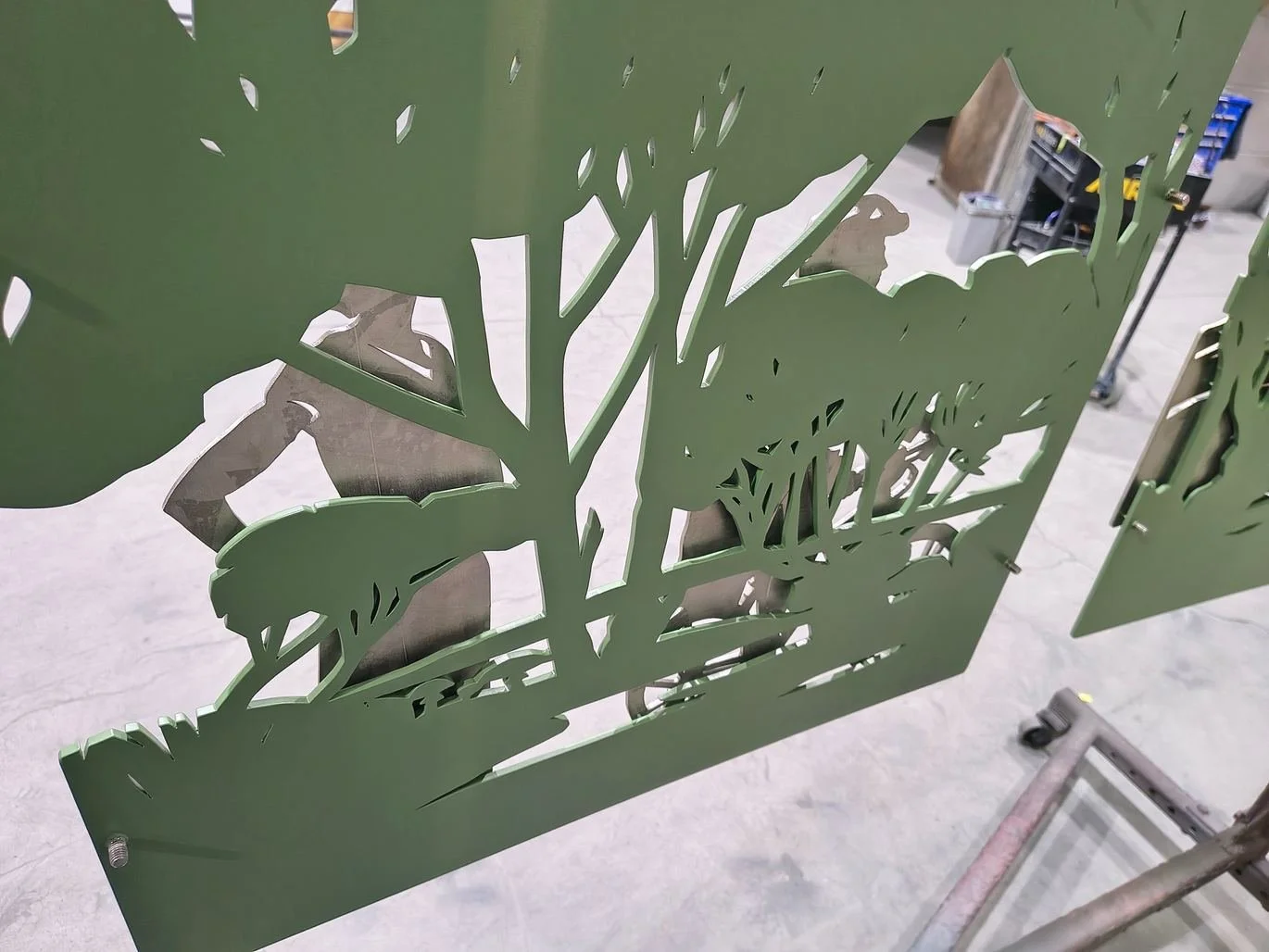
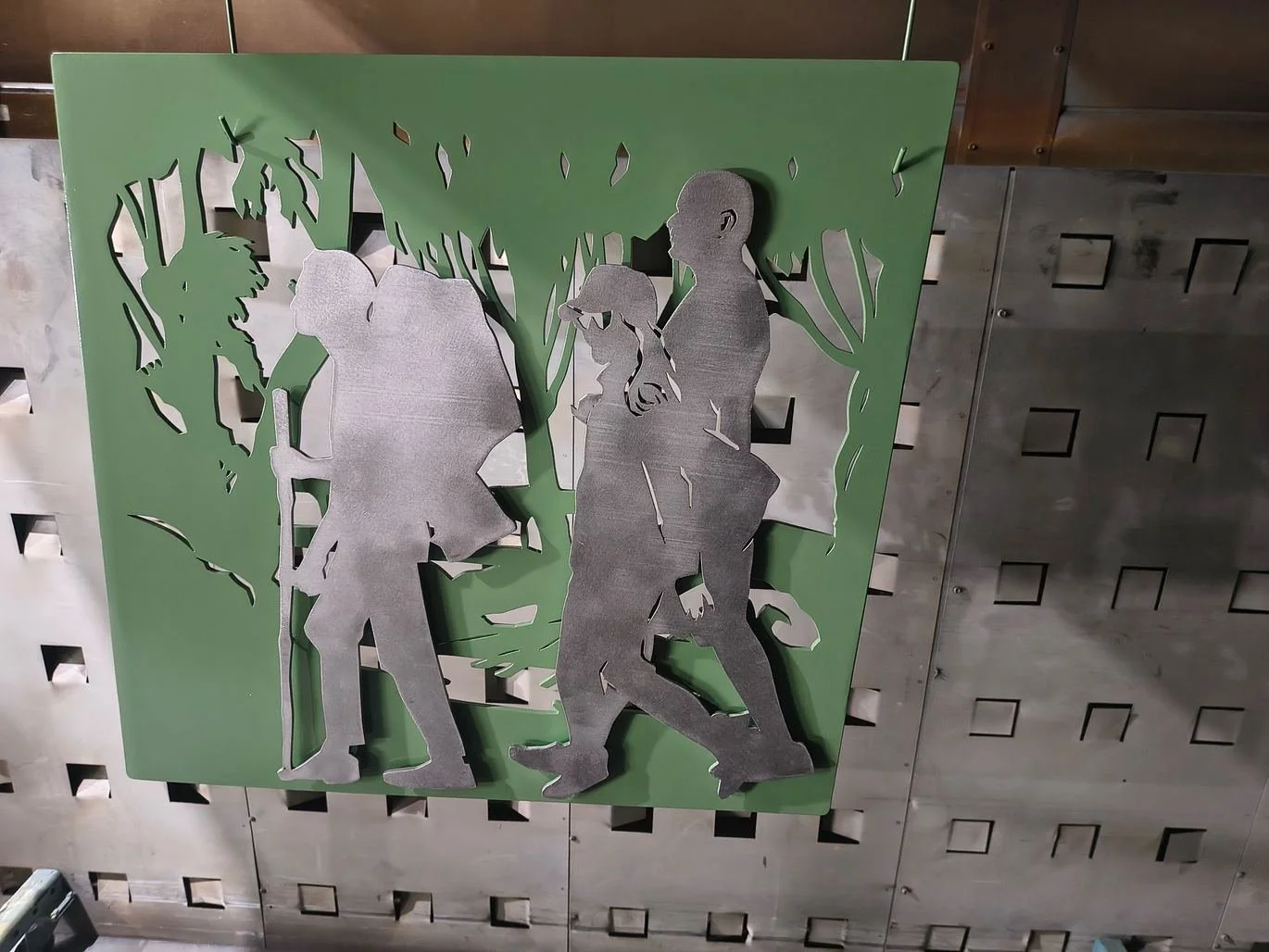
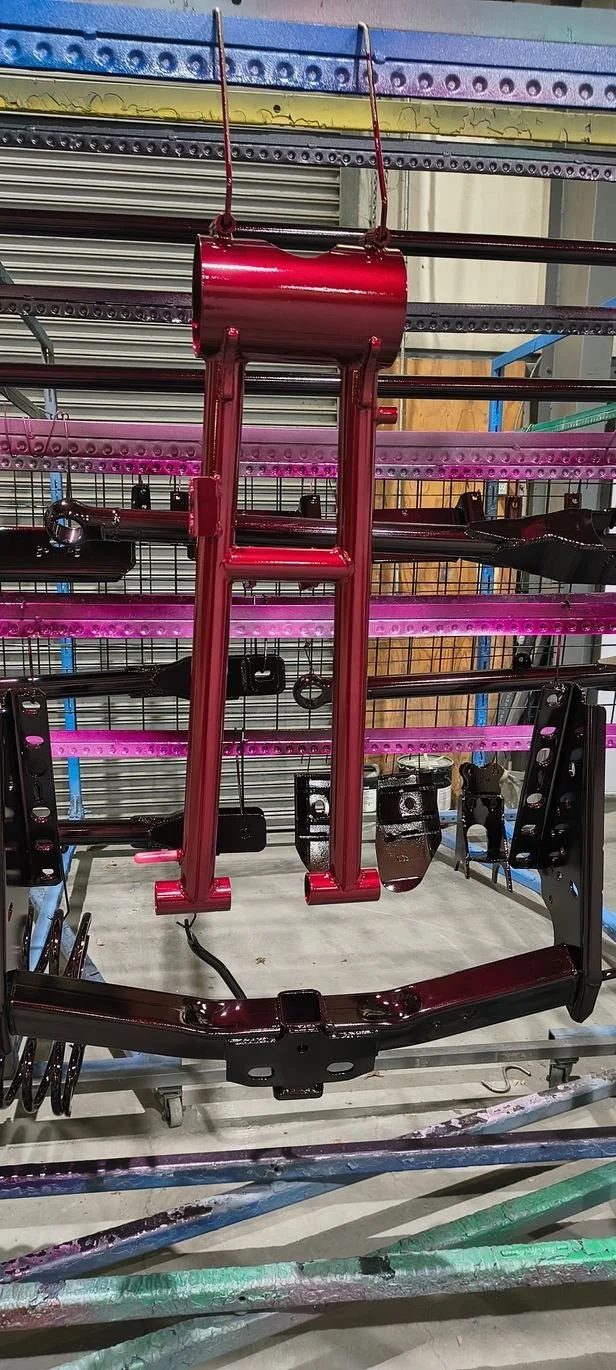
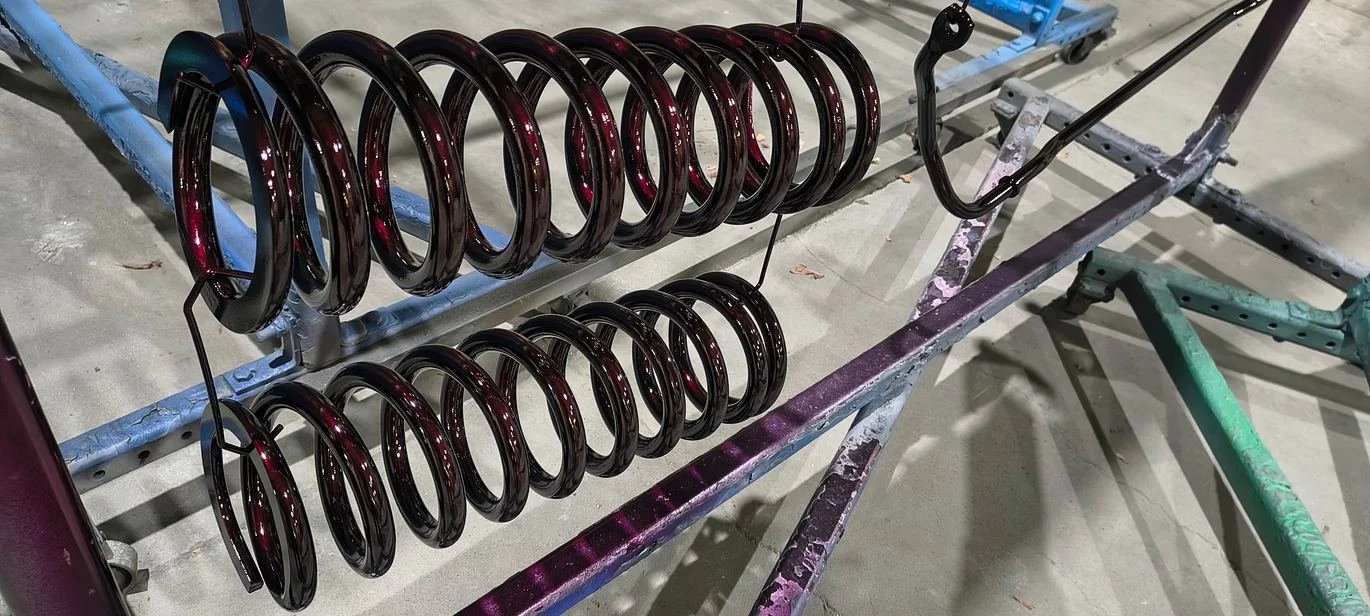
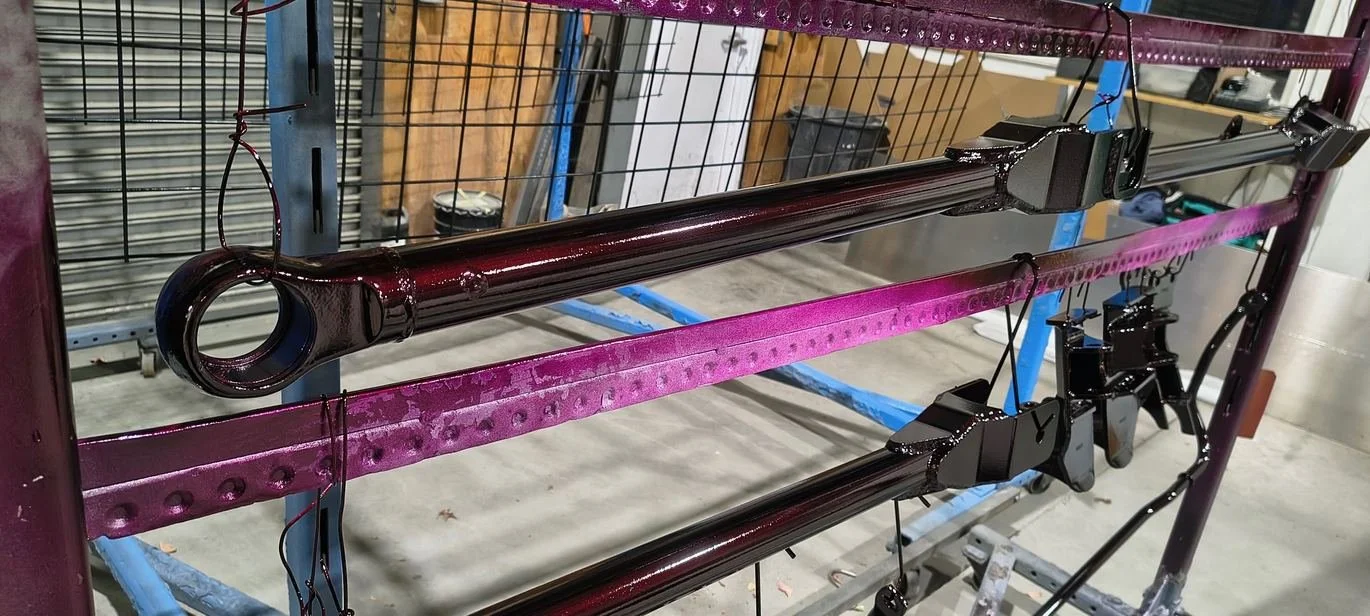
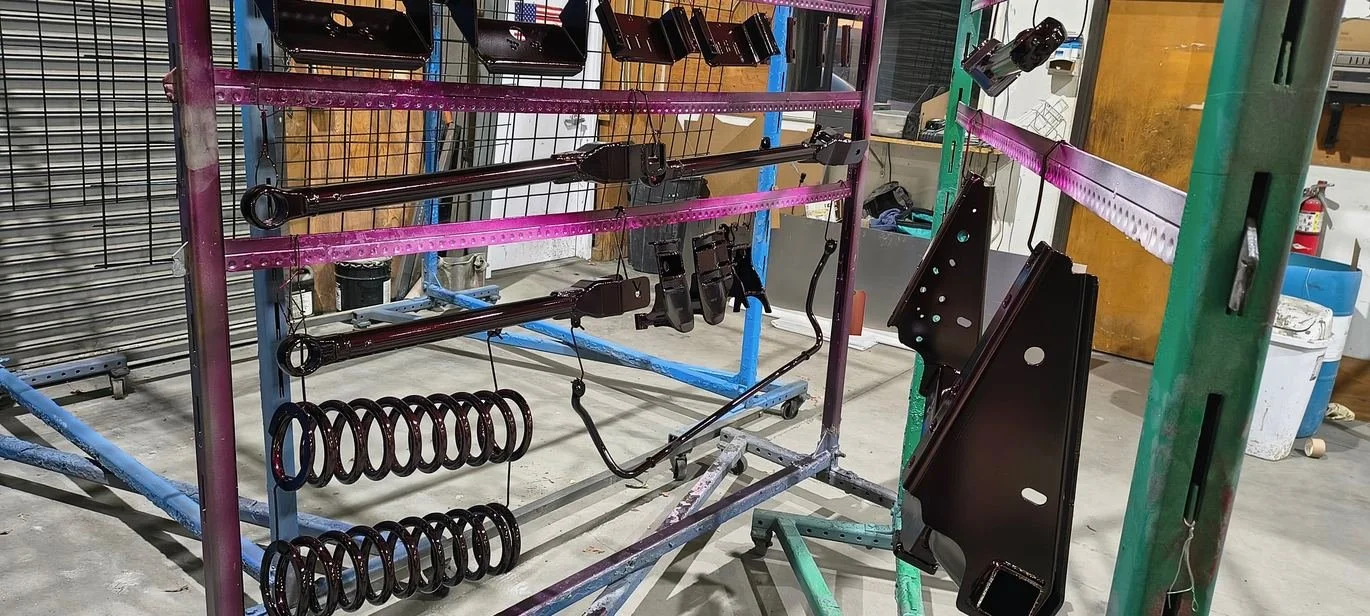
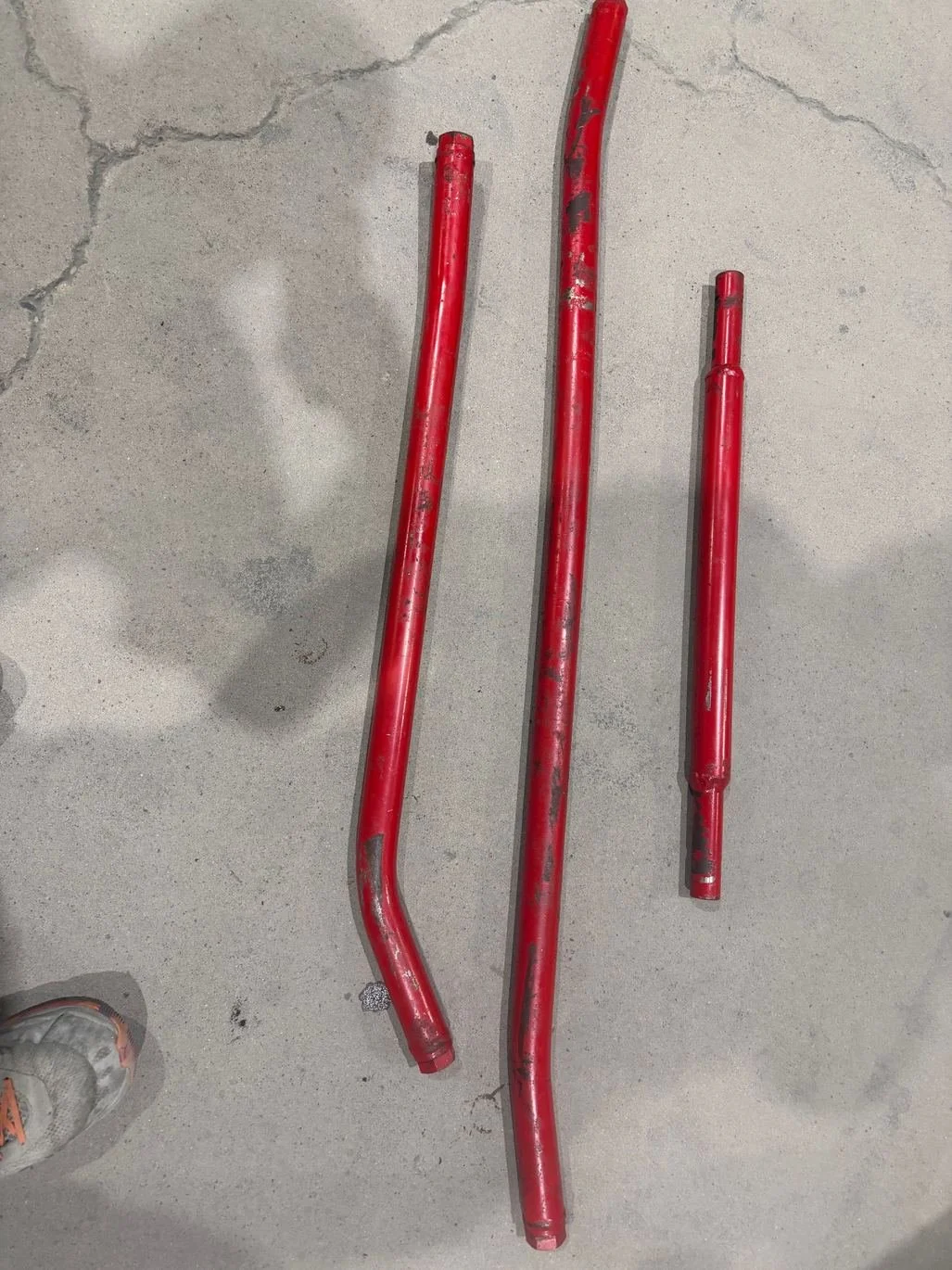
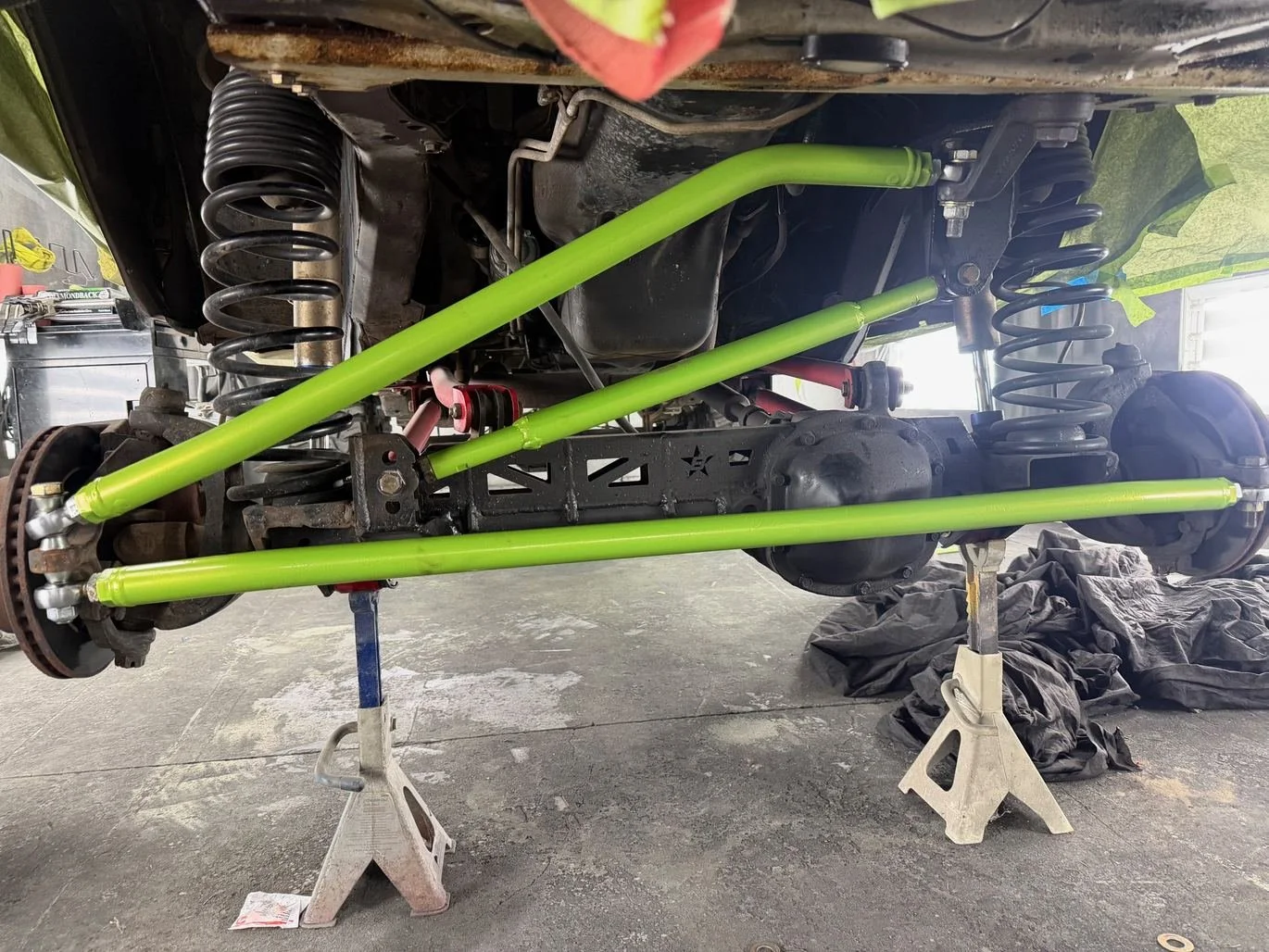
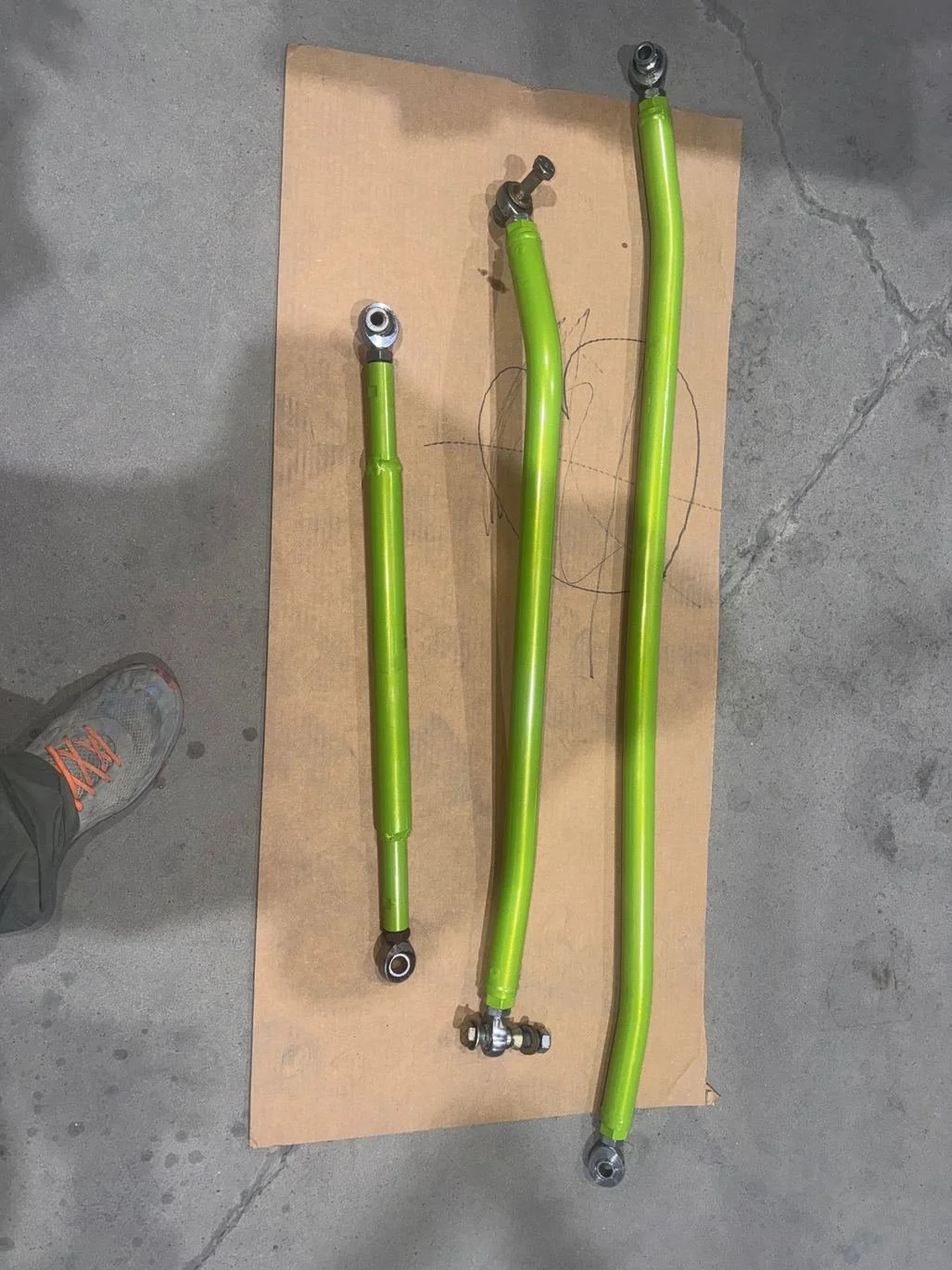
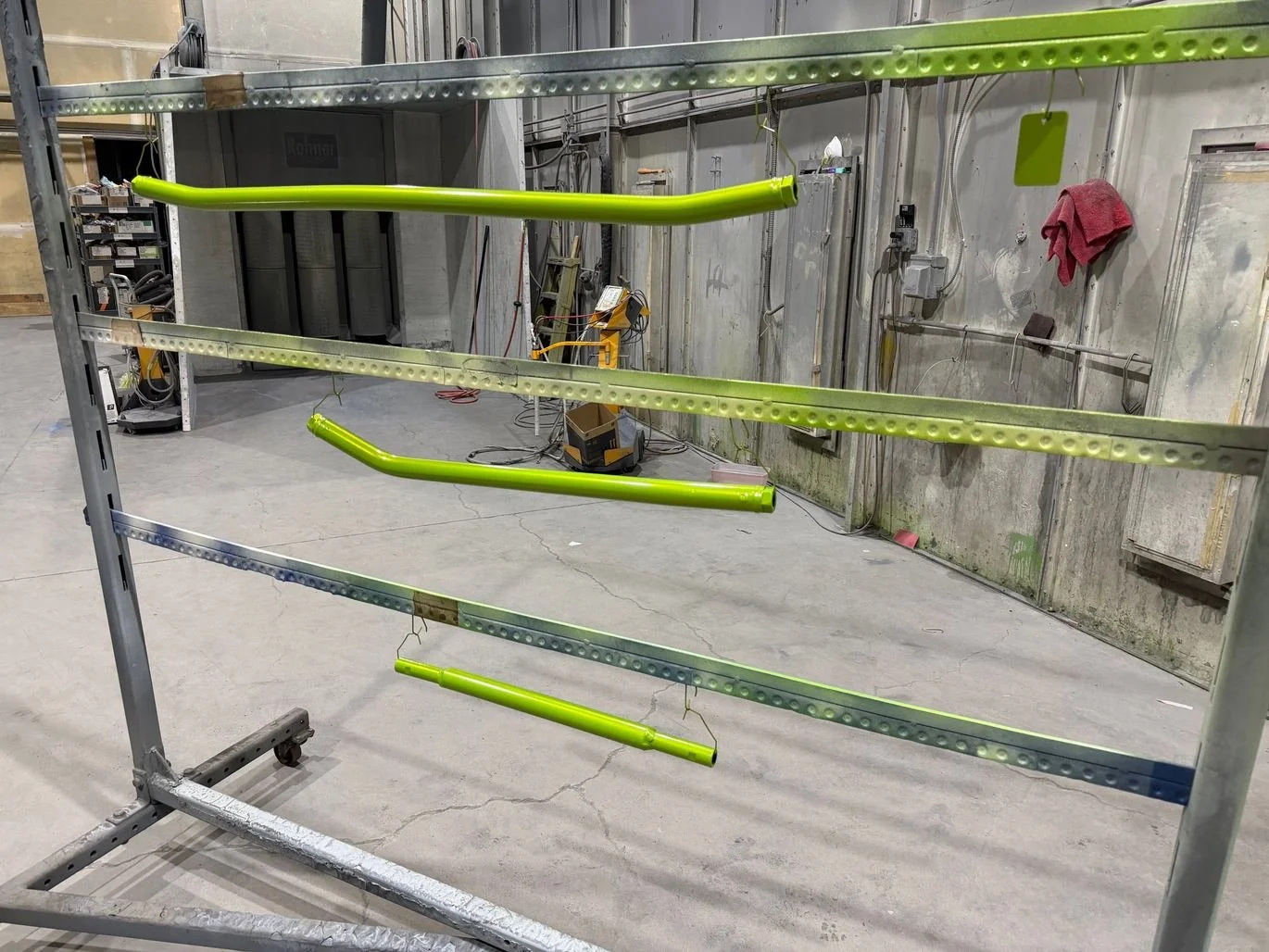
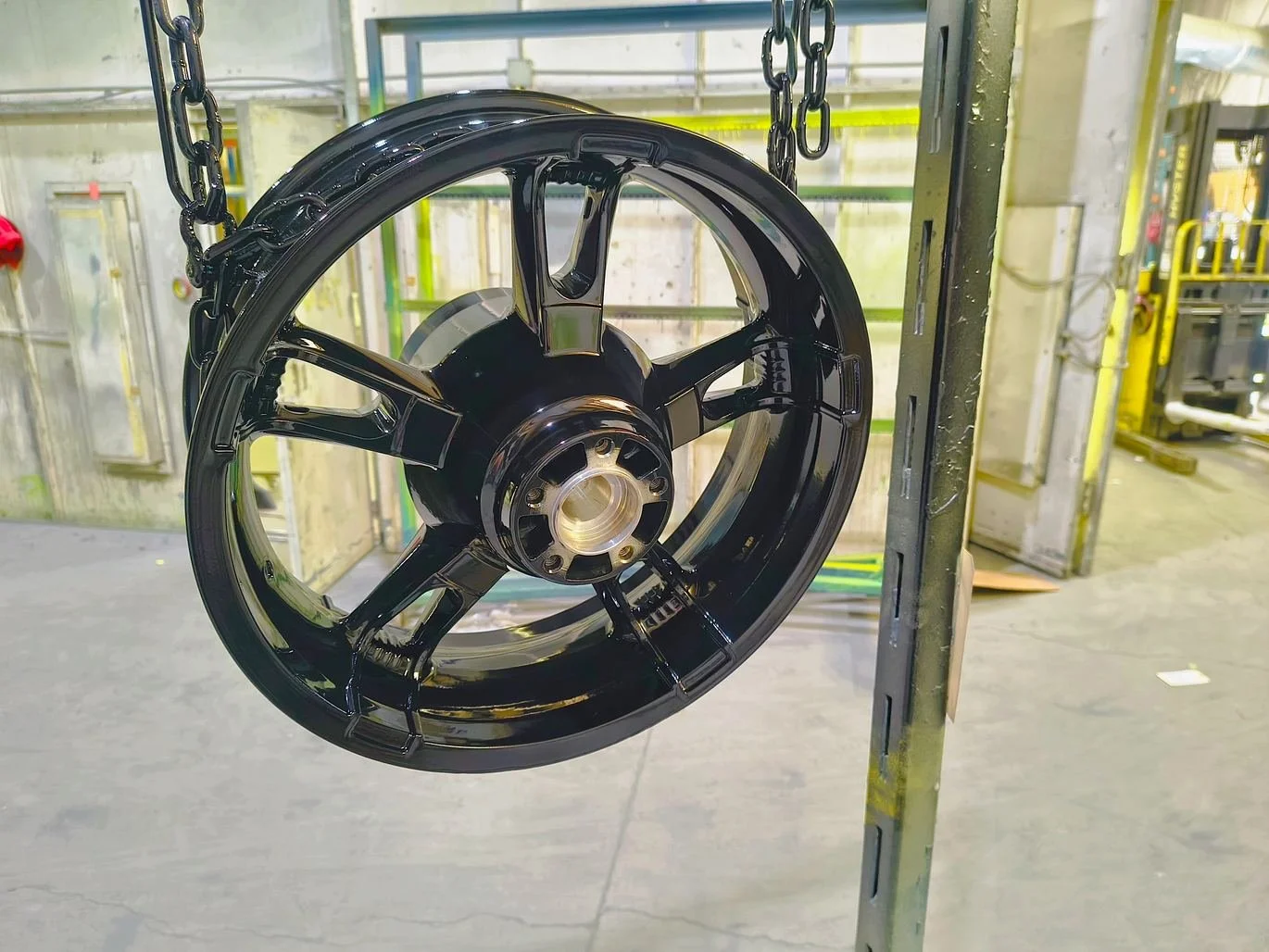
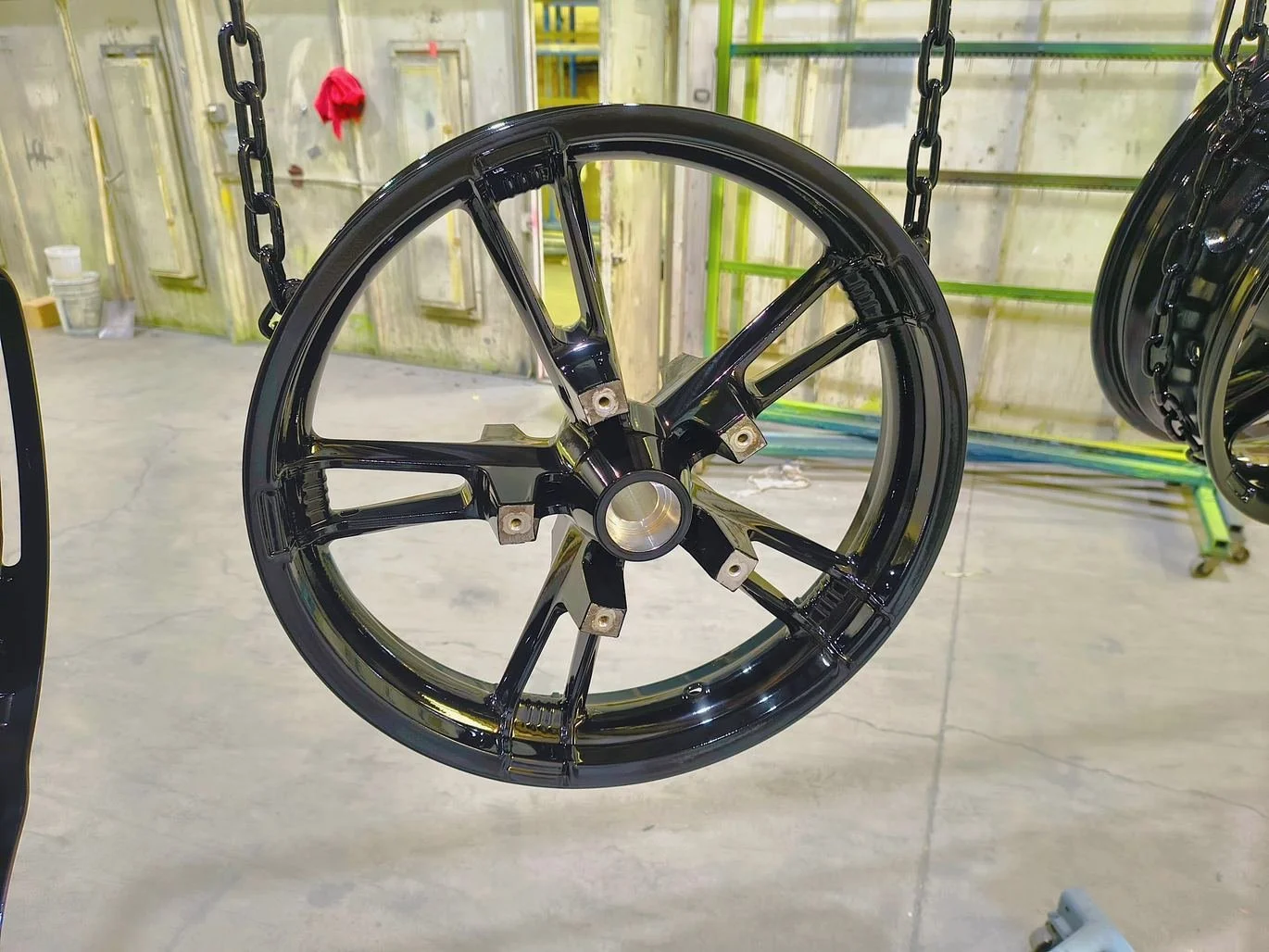
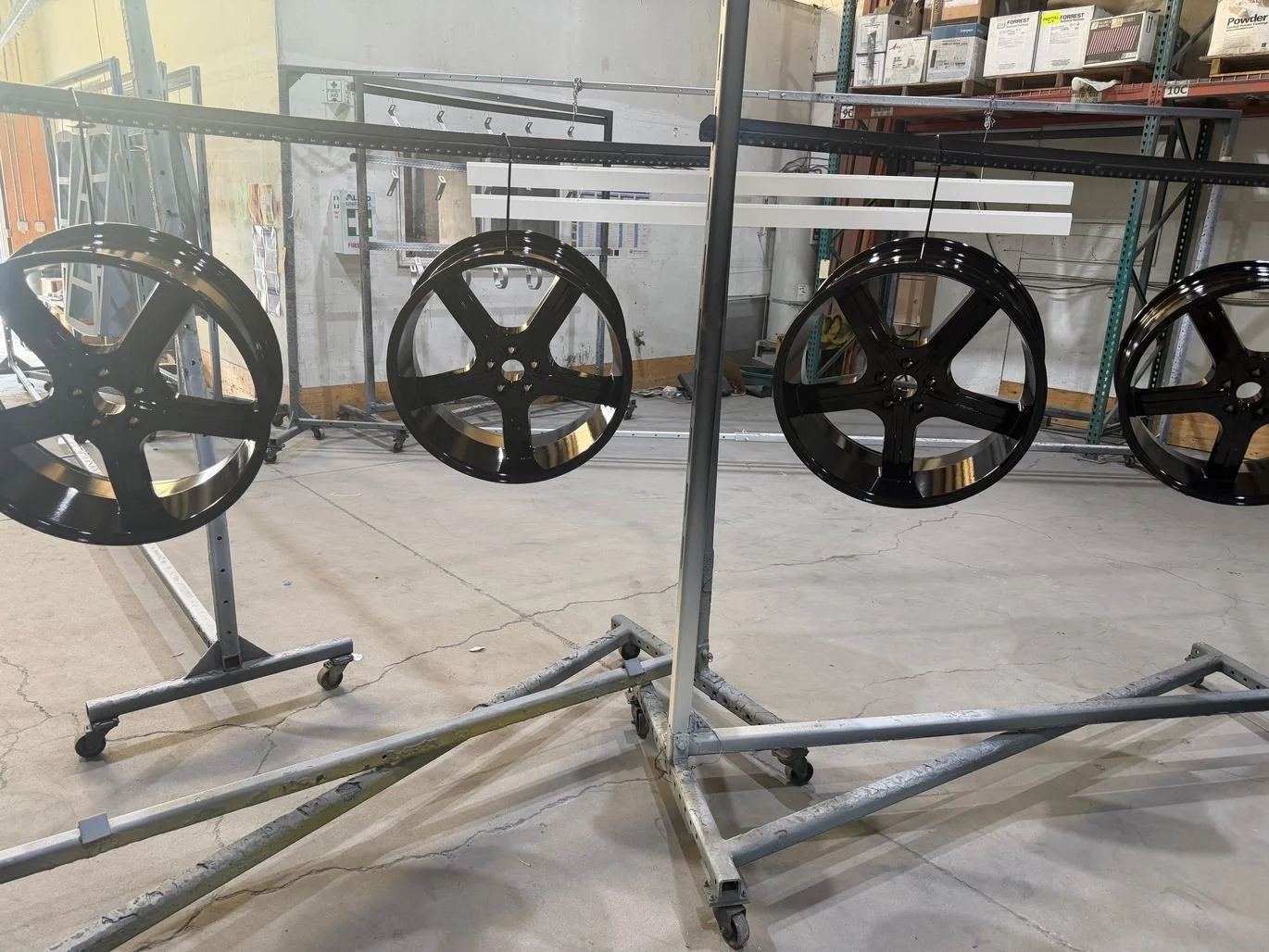
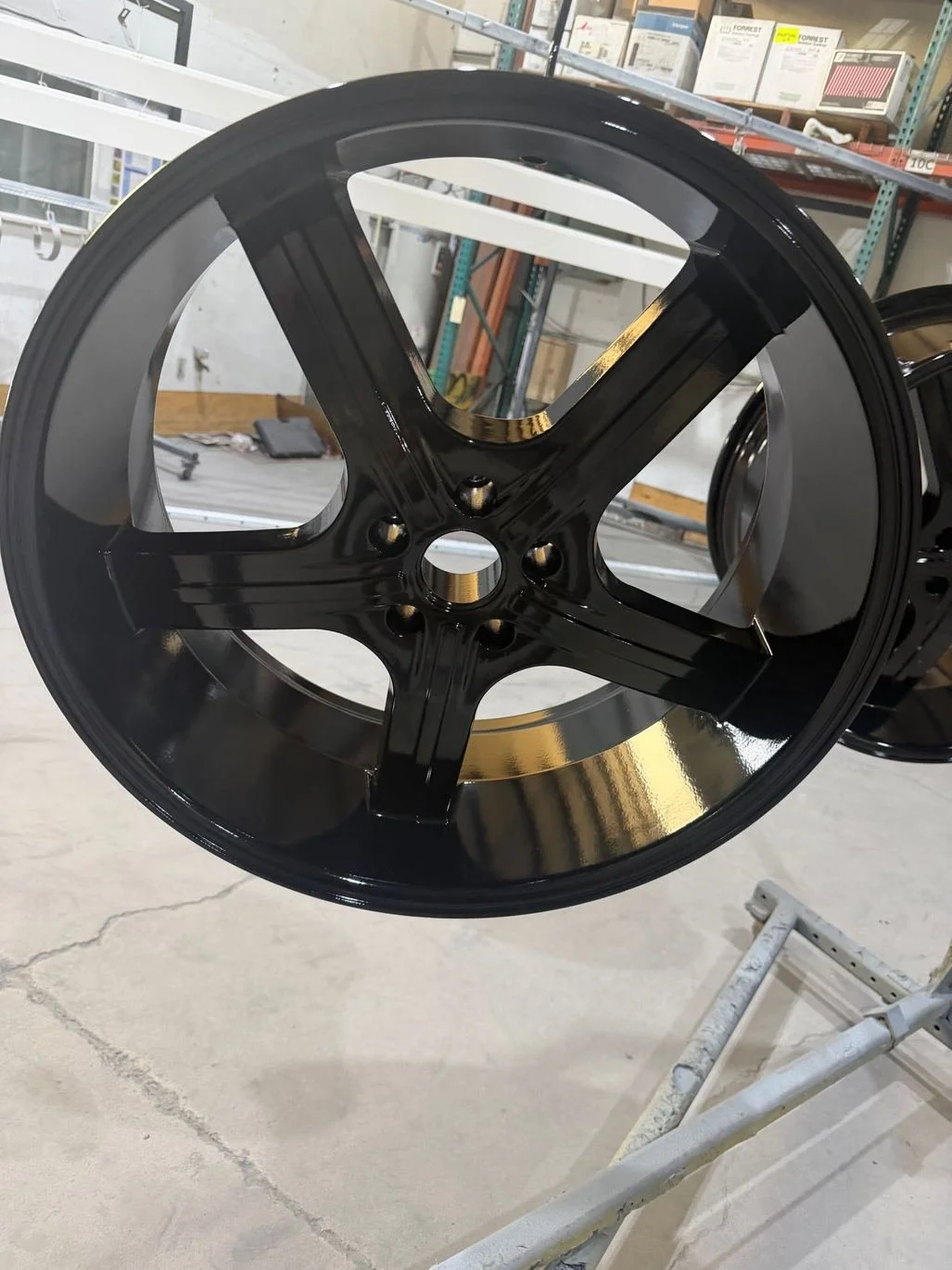
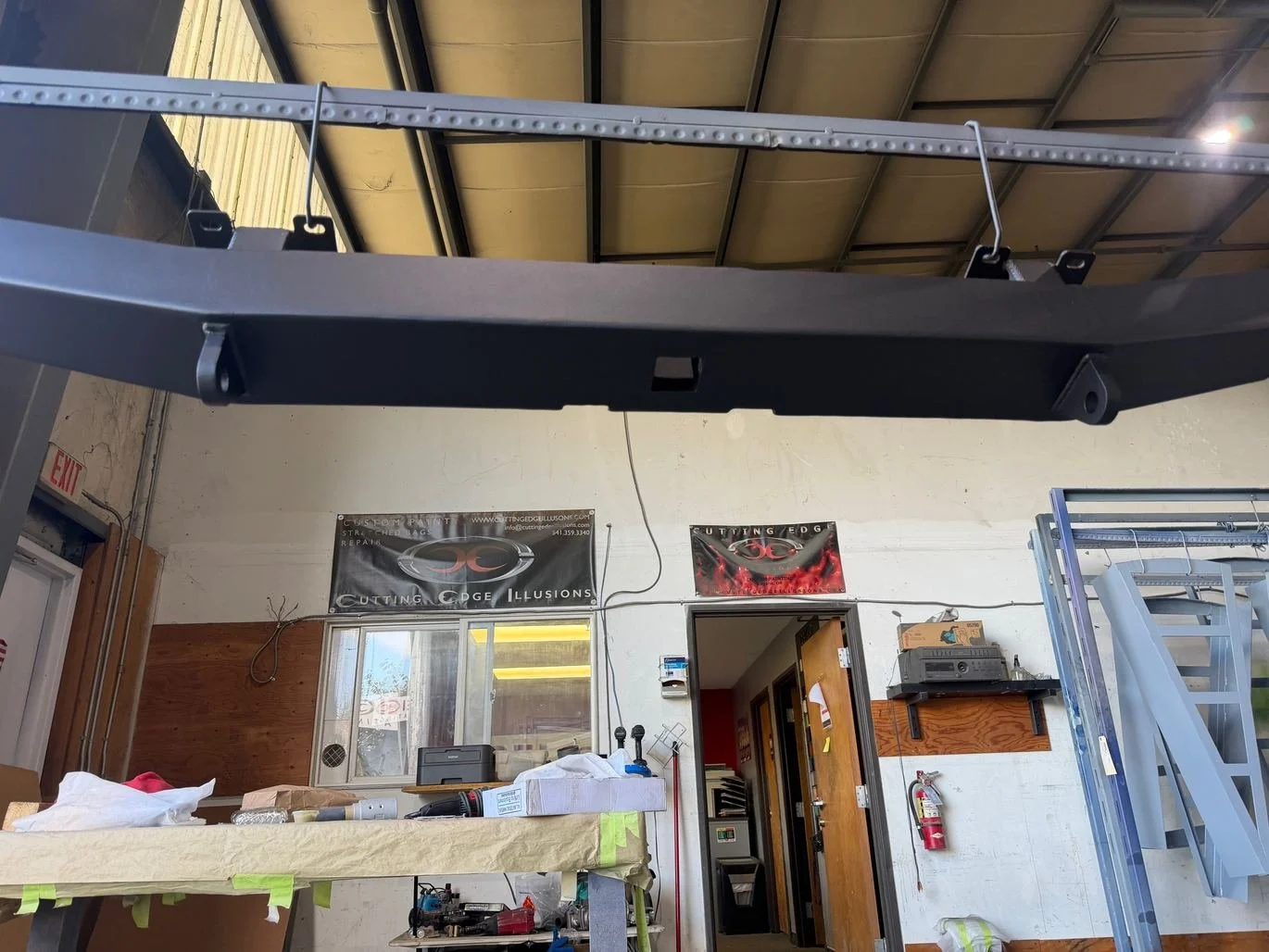
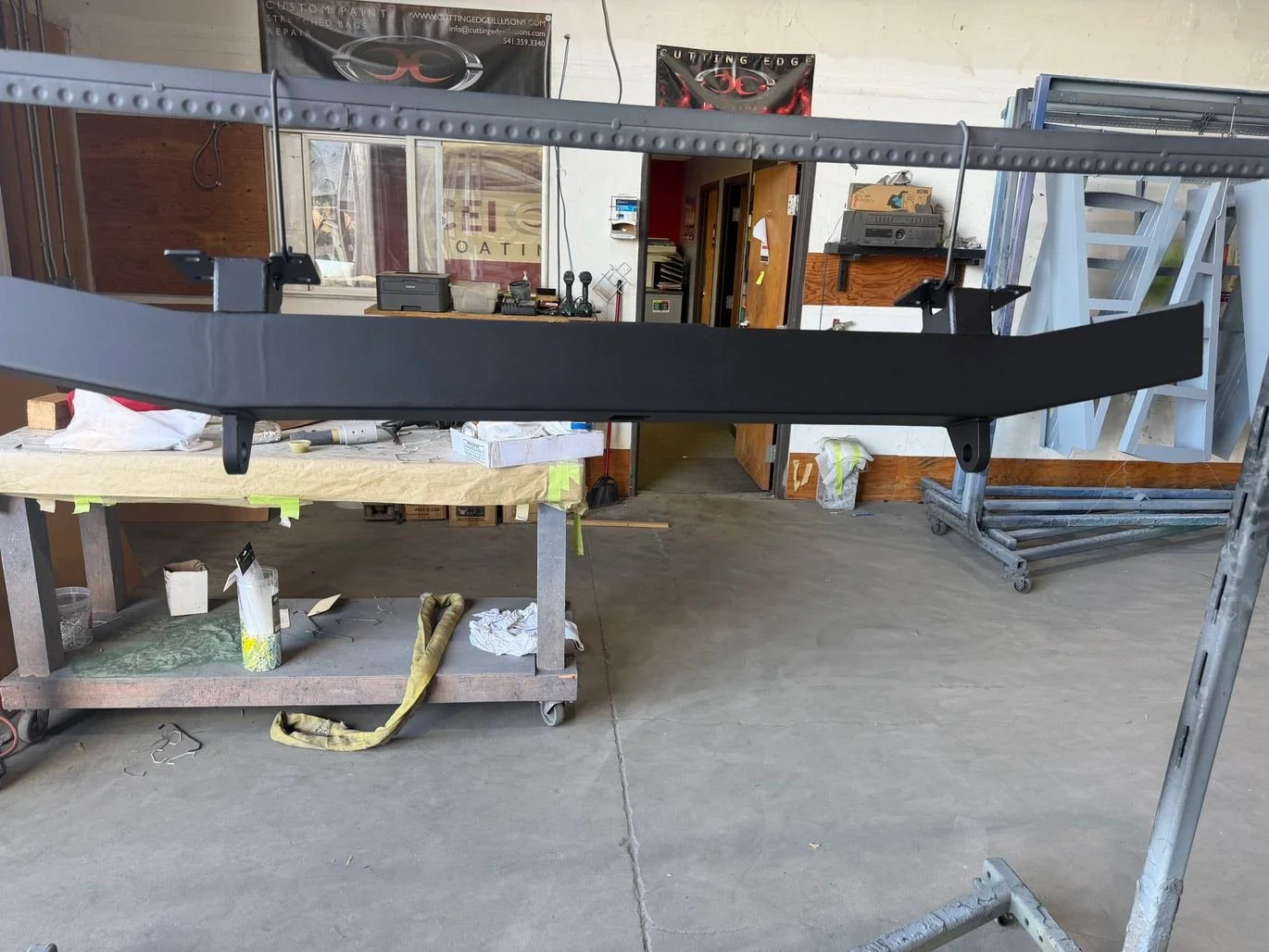
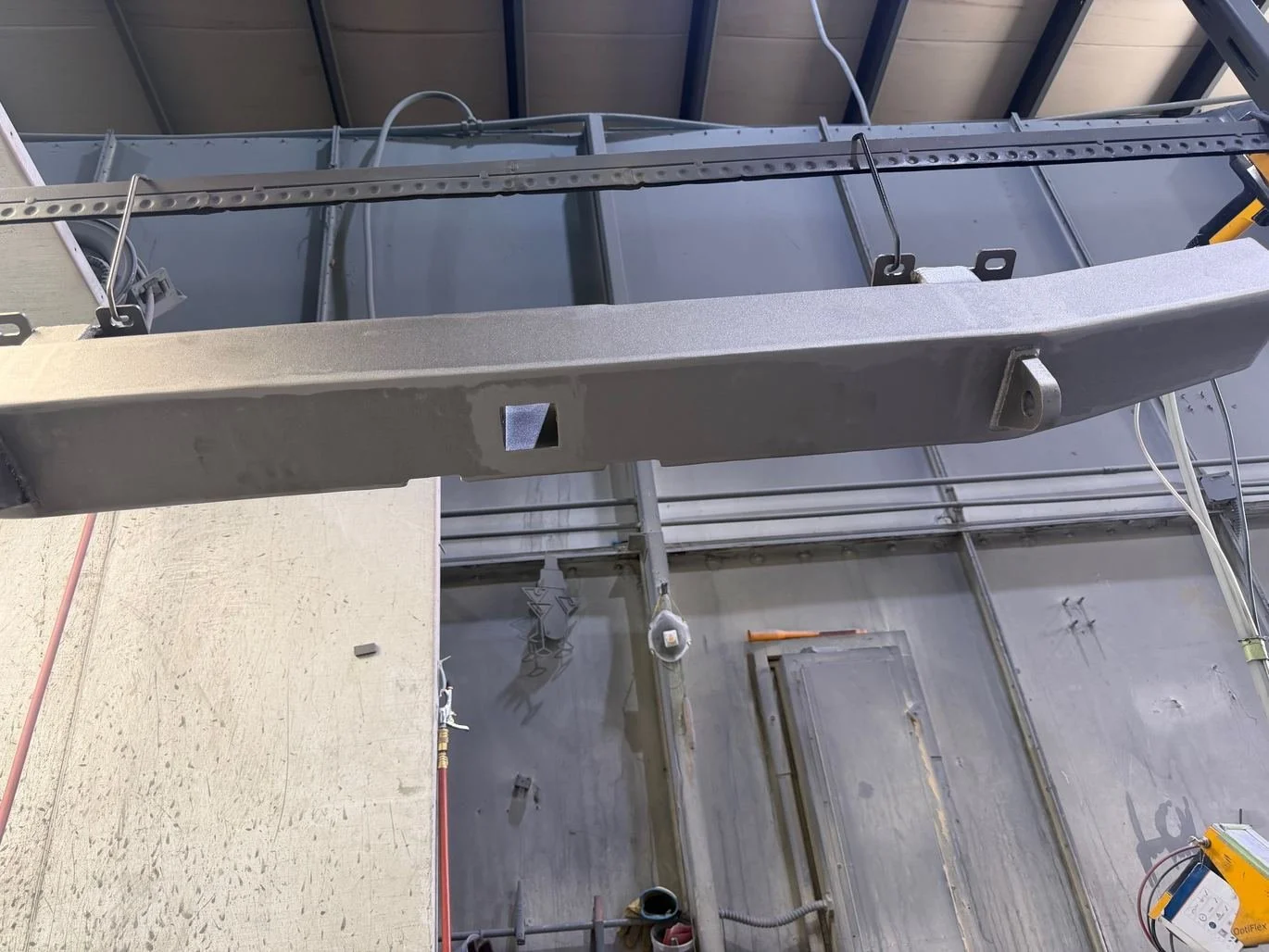
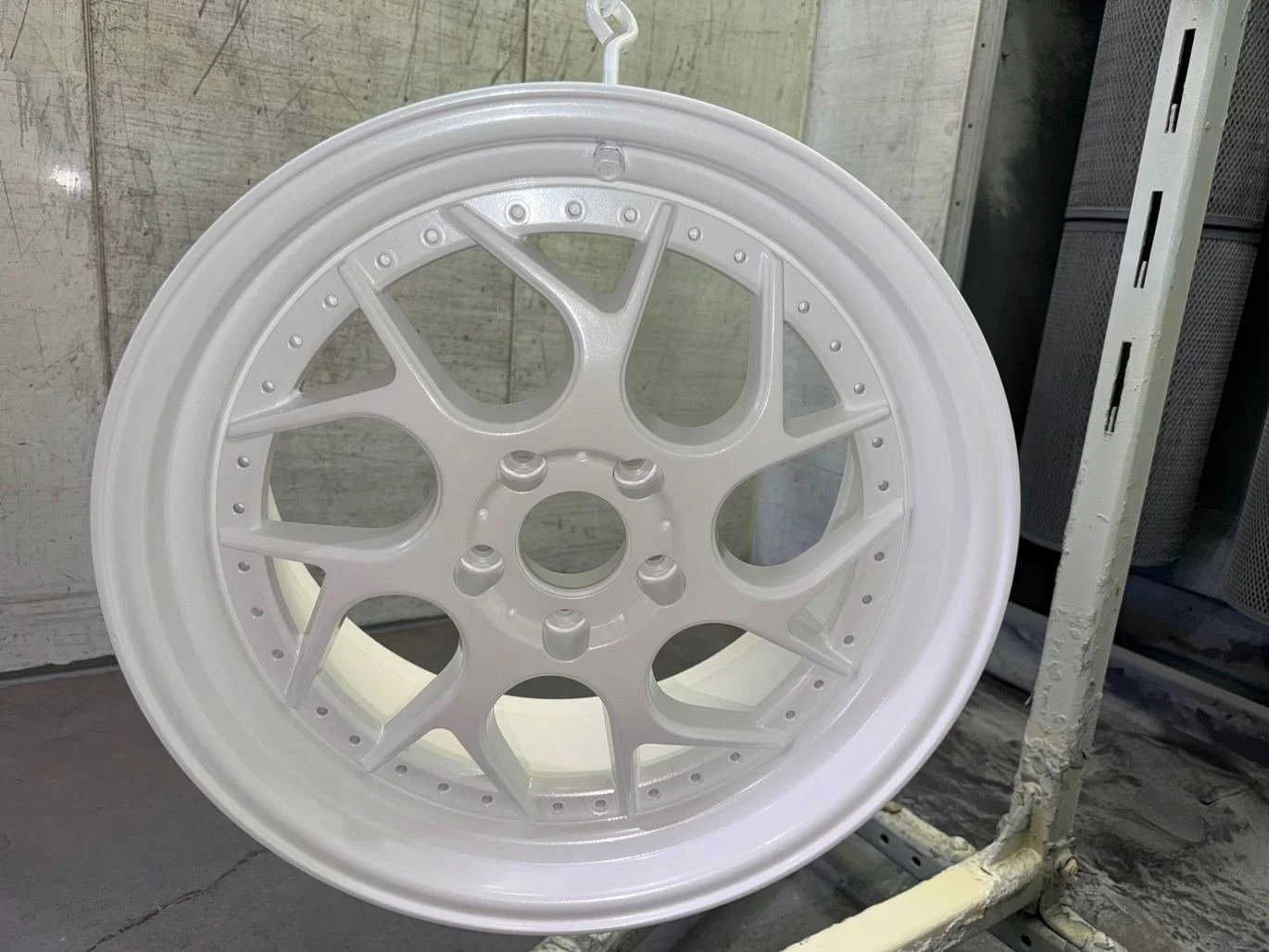
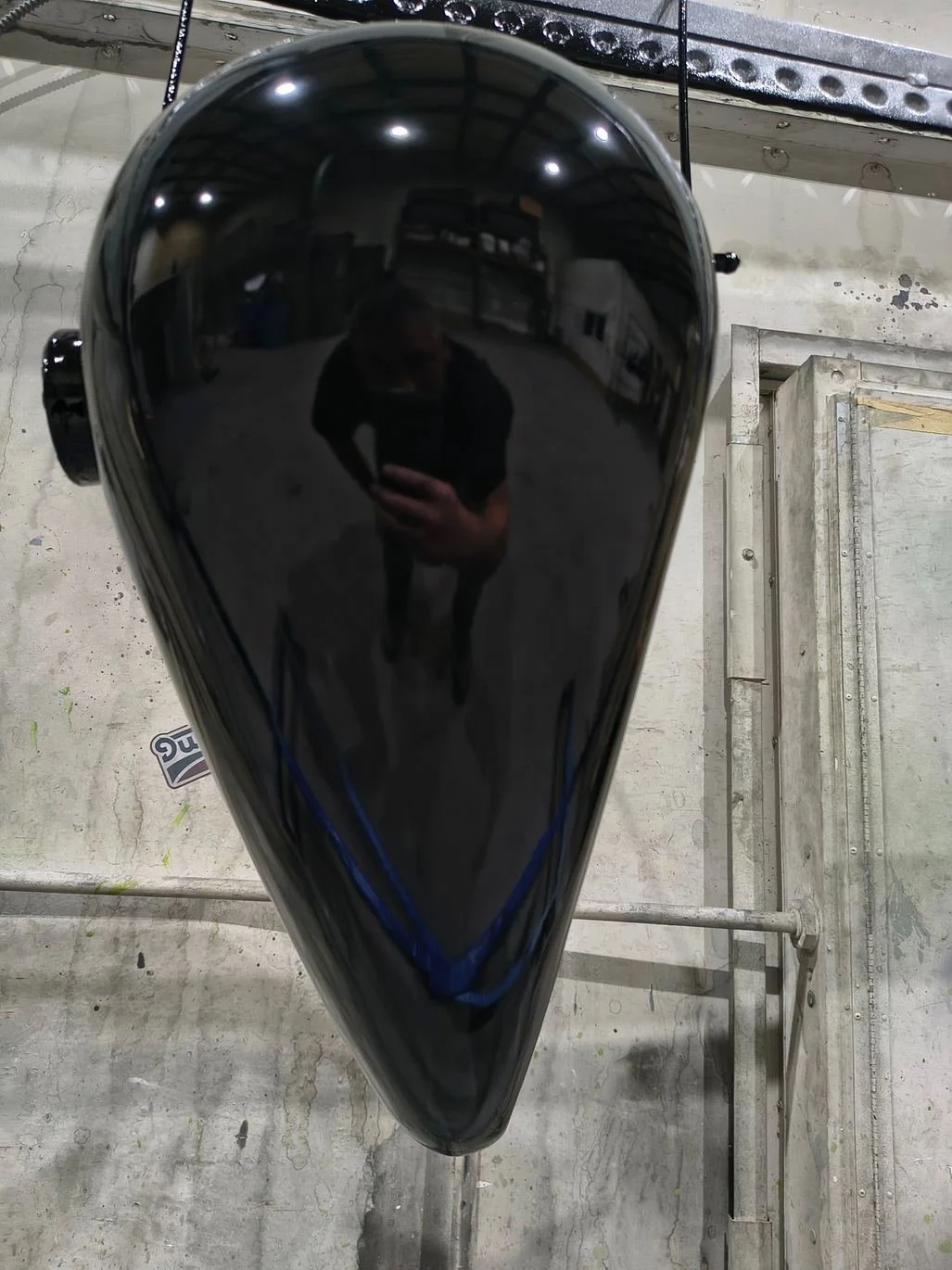
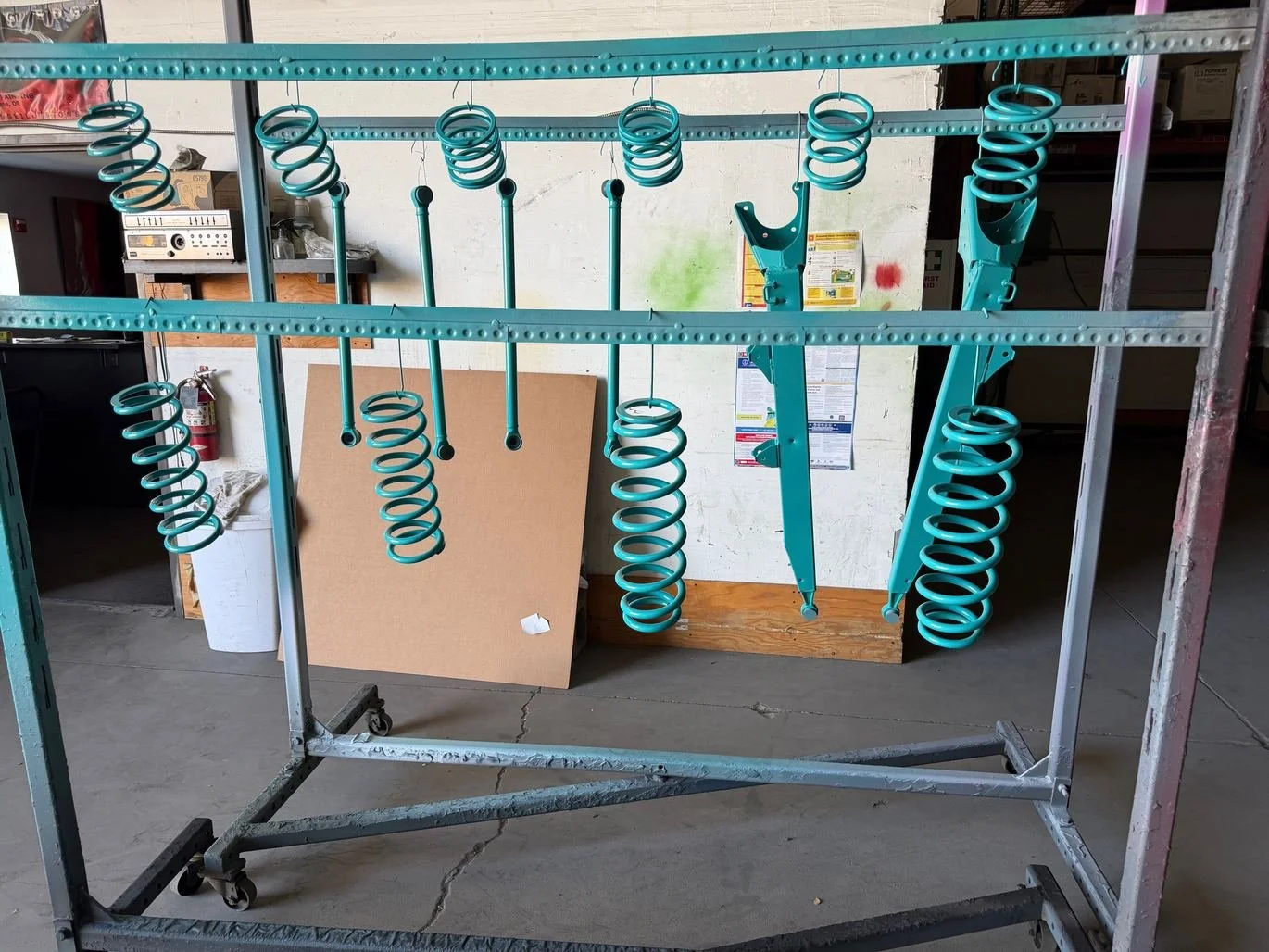
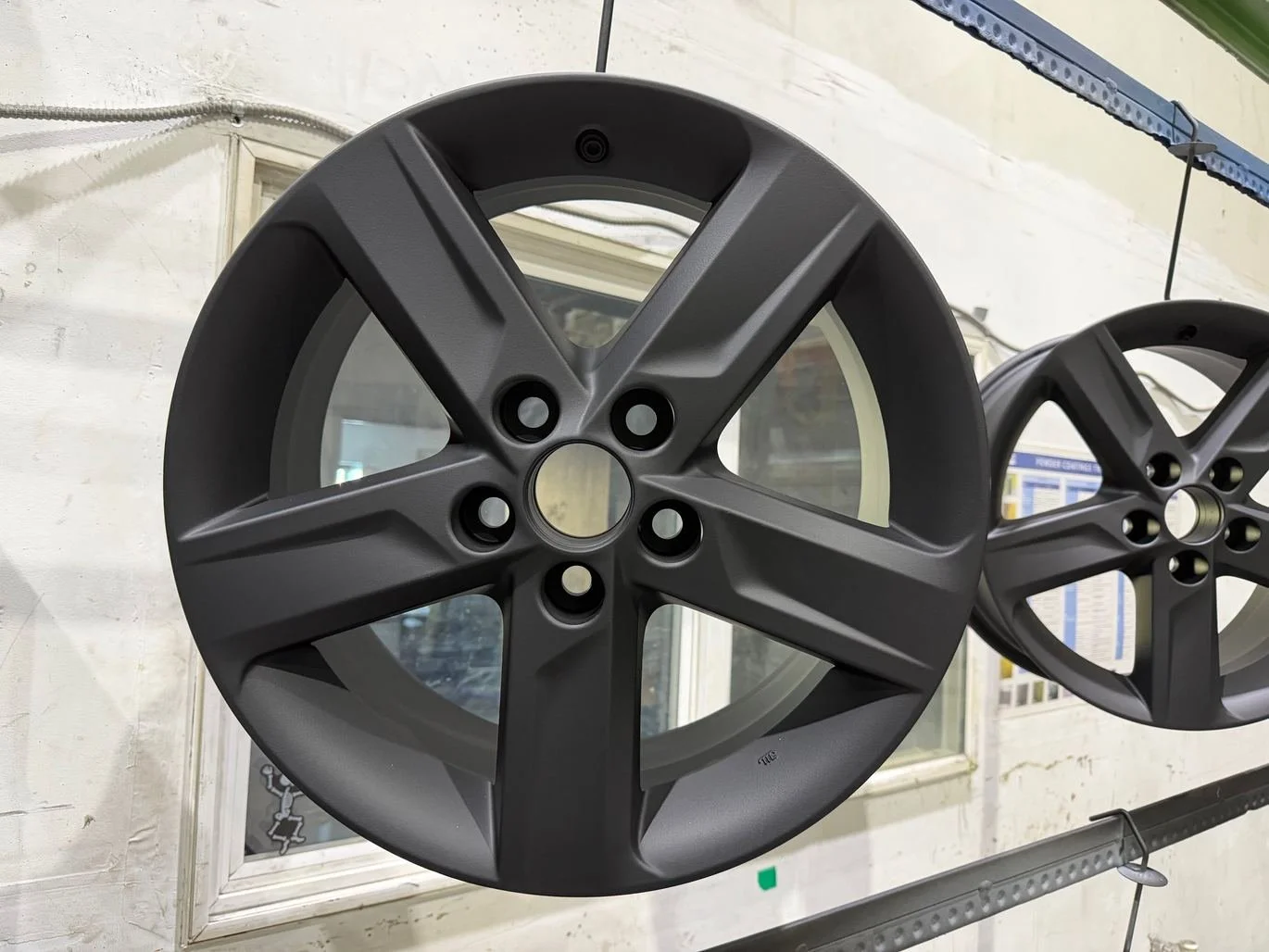
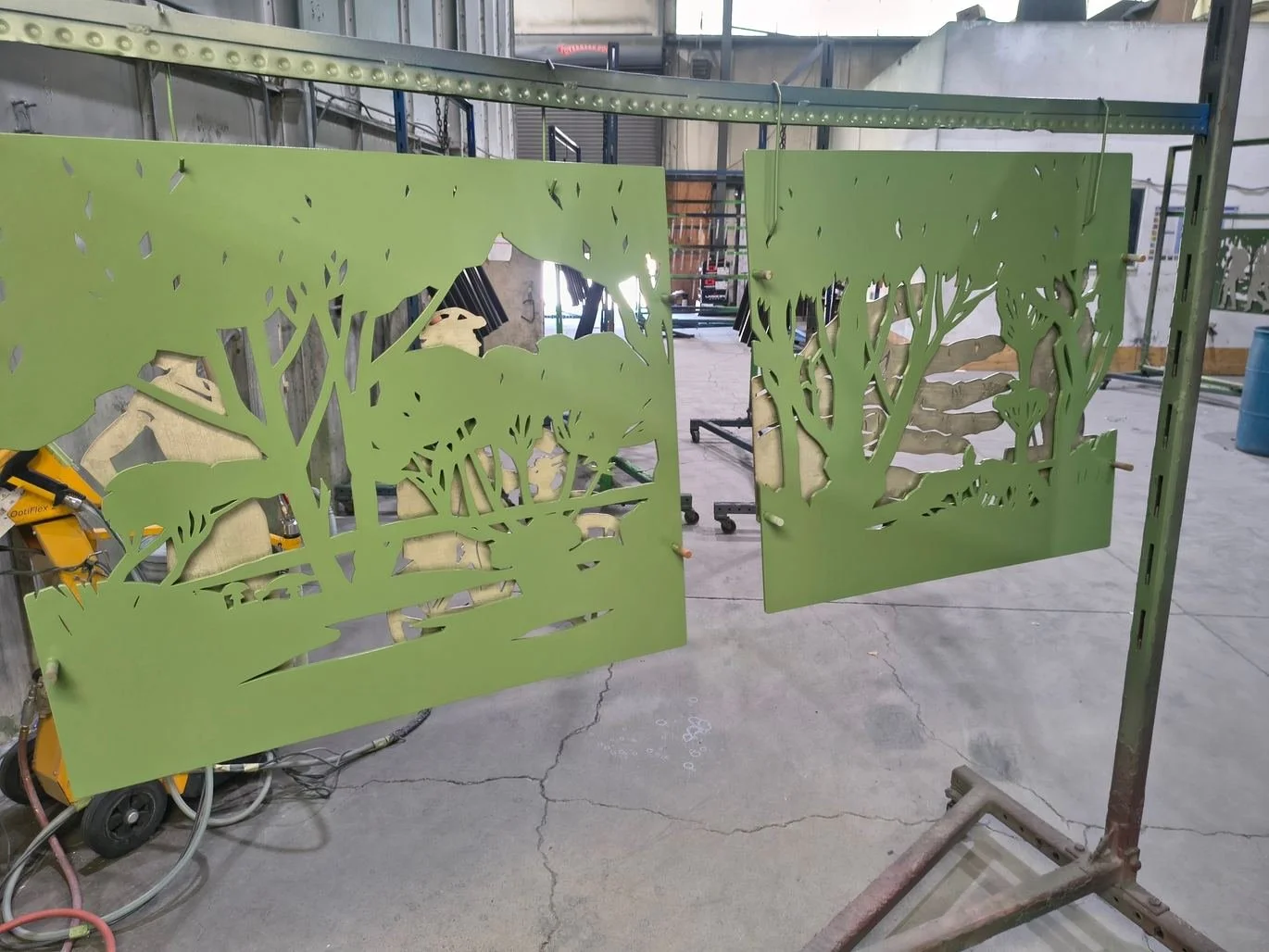
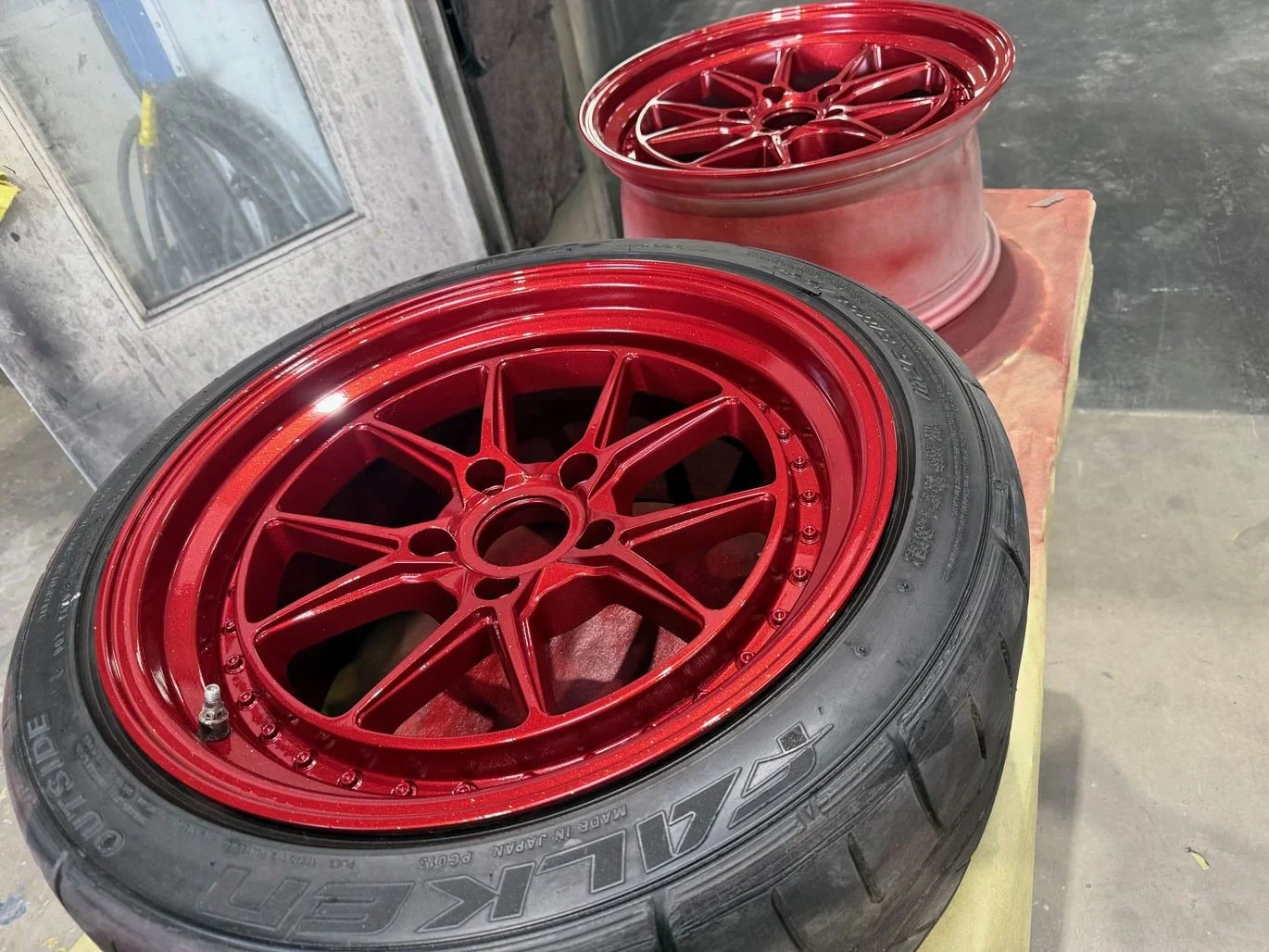
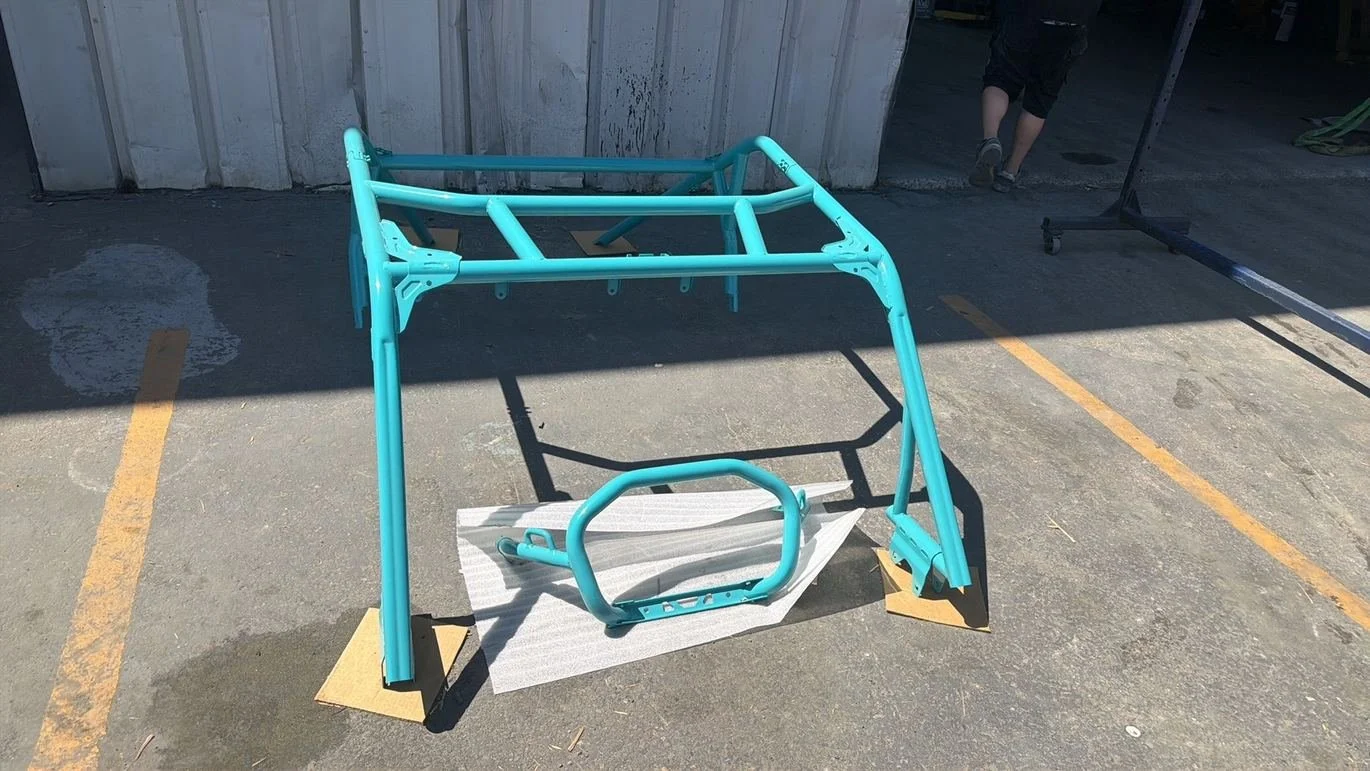
We work with metal, fiberglass, plastic, and more — from wheels and outdoor furniture to custom one-of-a-kind pieces. We bring professional-grade finishes to personal projects of all sizes.
Automotive wheels, rims & trim
Lawn furniture & outdoor fixtures
ATV / UTV parts & components
Bicycle frames & accessories
Pinball machines & specialty items
Railings, gates & home features
One-off custom builds — metal, fiberglass, or plastic
Fiberglass & plastic body panels (motorcycle, ATV, boat)
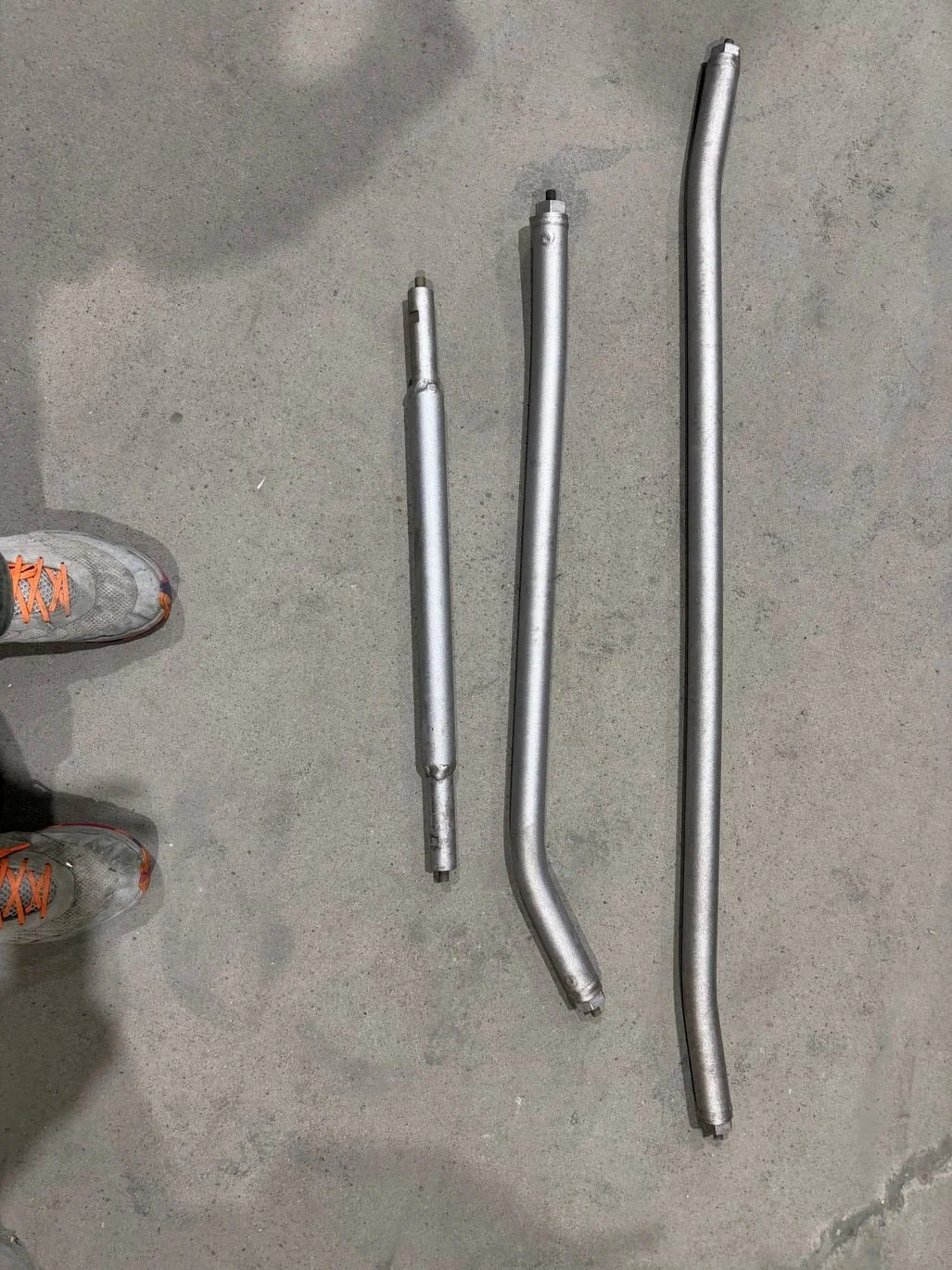
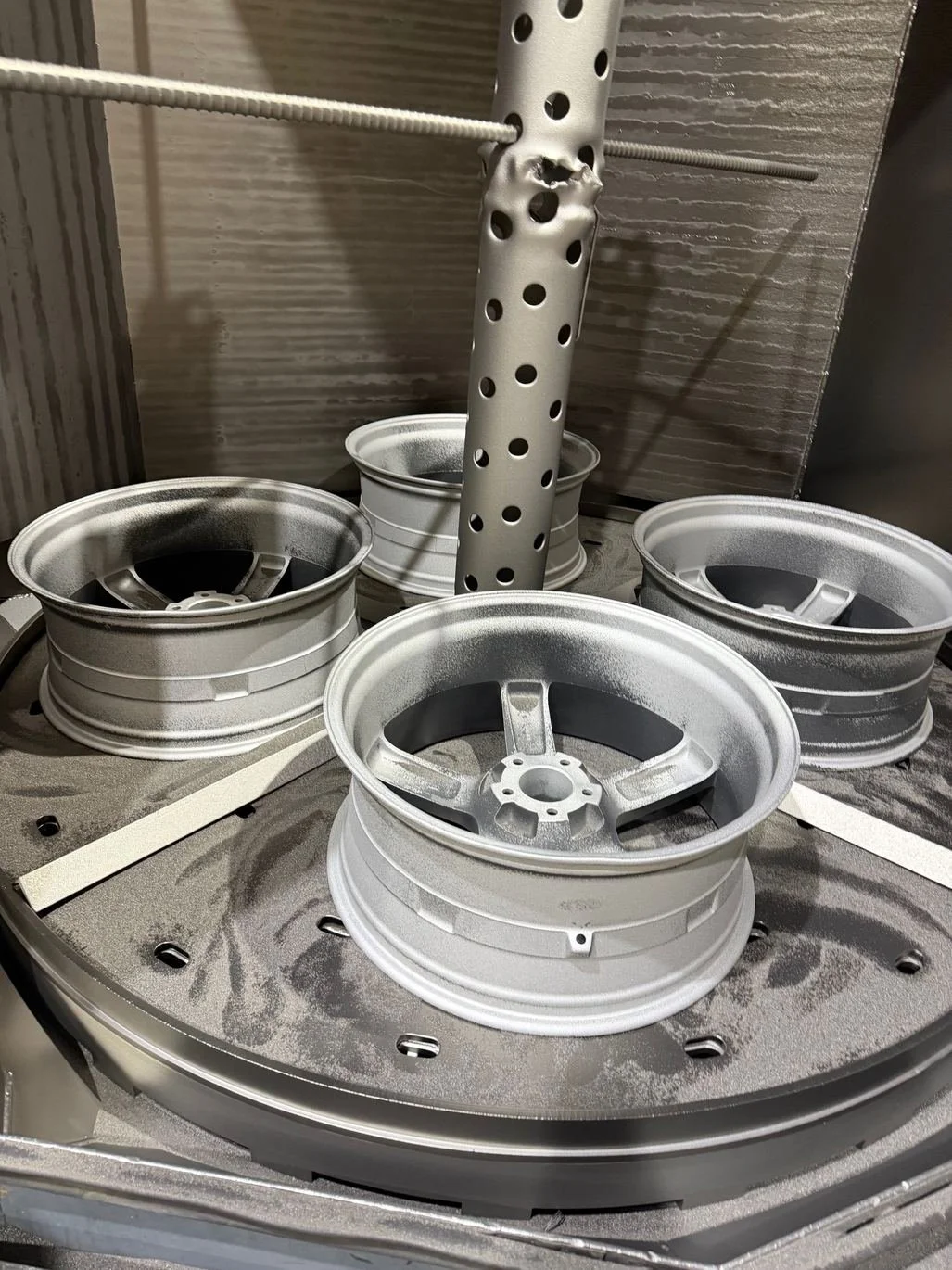
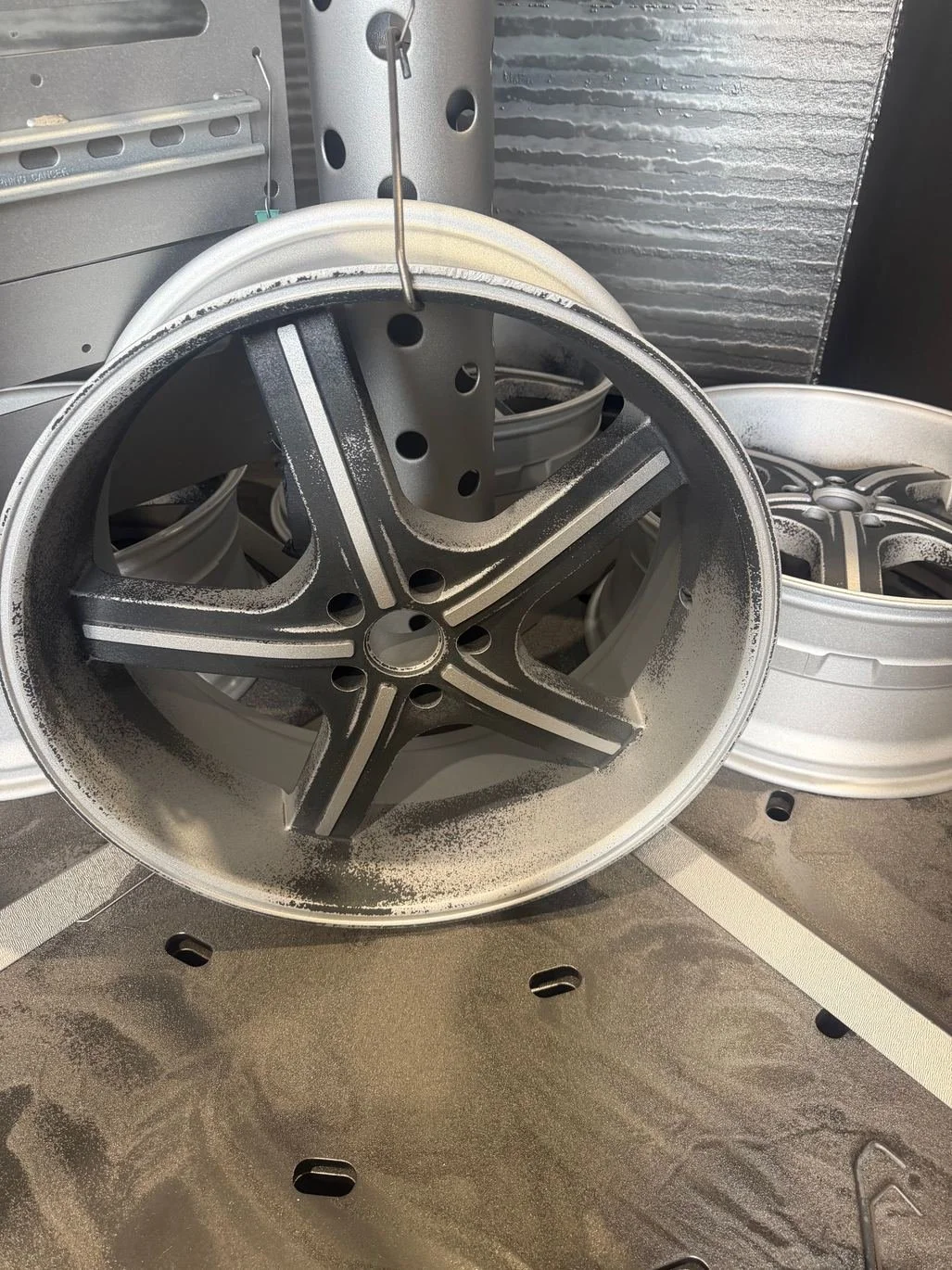
Media Blasting & Restoration
Bring old pieces back to life.
We use professional blasting equipment to strip away rust, old coatings, and built-up grime to restore clean metal and prepare surfaces, creating the ideal foundation for a long-lasting finish. We regularly restore items such as utility trailers, that are rusted, faded, or worn down — turning them into something clean, protected, and like-new again. Perfect for restoration projects and heavily worn items.
THE TECHNICAL GUIDE — WHAT WE RECOMMEND AND WHY
Not sure which service is right for your project? Here’s how our team thinks about it — and what we’d recommend for the most common situations we see.
Why We Almost Always Recommend Blasting First
The single most important factor in how long a finish lasts is surface preparation. A coating applied over rust, old paint, or mill scale will eventually fail — no matter how good the product. Media blasting removes all of that and creates a surface profile (microscopic roughness) that gives the new coating something to bond to at a molecular level. When we blast, we use aluminum oxide for heavy rust removal, glass bead for lighter work and finishing, and silicon carbide for harder materials. We select the right media and blast pressure for your specific part so we don’t over-thin the metal or leave unwanted texture behind. Our recommendation: if your part has any rust, existing coating, or is more than a few years old, blast it first. The cost is almost always worth it in longevity.
When and Why We Use Primer (and Why It Matters)
Primer is a base coat applied before the final finish. For powder coating, we use an epoxy powder primer — baked on first — before applying the topcoat color. For liquid painting, we use a catalyzed epoxy or self-etching primer. Here is when we recommend primer and why: Any part going outdoors or in a corrosive environment benefits enormously from a primer coat. Epoxy primer chemically bonds to bare metal and provides a waterproof barrier between the steel and the elements. Even a small chip or scratch in the topcoat won’t lead to rust creeping underneath because the primer layer is stopping it. For high-impact items like trailers, underbody parts, and gate hardware, a two-stage system (epoxy primer + polyester topcoat) is our standard recommendation. For decorative indoor pieces where longevity in moisture isn’t the concern, a single-stage polyester or epoxy powder coat is often sufficient and more cost-effective. Bottom line: primer adds cost but it dramatically extends the life of the finish. On anything that goes outside or takes a beating, we always recommend it.
Choosing the Right Powder Chemistry — Epoxy vs. Polyester vs. Polyurethane
Not all powder coats are the same. The chemistry of the powder determines how it performs in different environments. Here is our simple breakdown: Epoxy powders are the hardest, most chemically resistant option — great for indoor applications, tooling, and as a primer coat. The one weakness of epoxy is UV — it chalks and fades in direct sunlight, so we don’t use it as a standalone topcoat for outdoor items. Polyester powders are our go-to for most consumer projects. They are UV-stable, hold color and gloss for years outdoors, and come in the widest range of colors and textures. If you’re doing wheels, patio furniture, bike frames, ATV parts, or anything outdoors — polyester is almost always the right answer. Polyurethane powders offer exceptional impact resistance and flexibility. They are the best choice for parts that take physical abuse — wheels in rough conditions, heavy equipment components, anything where the part flexes or gets hit regularly. They cost more than standard polyester but the performance justifies it for the right application. Our standard recommendation for outdoor consumer projects: blast it, prime it with epoxy powder, finish it with a UV-stable polyester in your color of choice. This combination gives you the best of both worlds — maximum corrosion resistance and long-lasting color.
Liquid Paint Systems — When to Use What and Why